
Blog

All Accessories Woodstock Ford Service
oil change

How Often Do You Need to Change Your Oil?

July 10th, 2025 by bill@zoomdigital.com Share this Post: Share on Facebook Share on Twitter If you’re like most drivers, you’ve probably asked yourself: How often do I need an oil change? It’s one of the most important things you can do to keep your car running smoothly. But with so many opinions out there, it’s easy to get confused. The truth is, how often you change your oil depends on your car, how you drive, and the type of oil you use. At Bull Valley Ford in Woodstock, IL, we’re here to help you make sense of it all. Whether you drive a work truck or a small daily driver, we’ll explain when and why you should change your oil— and how it helps your vehicle last longer. Why Is Motor Oil So Important? Your engine has many moving parts that create heat and friction when your car runs. Motor oil keeps everything lubricated and cool. It also helps clean your engine by catching dirt and small particles. If the oil gets too old, it thickens and is no longer able to protect your engine. That’s when problems can start, like poor performance, lower gas mileage, and expensive engine damage. Changing your oil on time is one of the easiest ways to avoid costly repairs and keep your car in great shape. How Frequently Should You Be Changing Your Oil? There’s no one-size-fits-all answer to the question of how often a vehicle needs an oil change. However, most experts recommend changing your oil every 3,000 to 7,500 miles. It all depends on: Your car’s make and model The type of oil you use (conventional motor oil vs. synthetic) Your driving habits The environment where you live/drive the most (e.g., dusty roads, extreme temperatures, lots of stop-and-go traffic) Many drivers choose synthetic oil, which is designed to last longer than conventional oil. If you’re wondering how often you need to change synthetic oil, the general rule is every 7,500 to 10,000 miles. This contrasts sharply with conventional oil, which typically requires changing every 3,000 miles to 5,000 miles. Still, always check your owner’s manual or talk to one of our Ford-certified technicians at Bull Valley Ford. Some vehicles may require more frequent oil changes, especially if you tow heavy loads or drive in tough conditions. How Often Should You Change Your Synthetic Oil (In Months)? Oil degrades over time. Therefore, time is just as important as mileage when it comes to oil change intervals. For the average driver, you should change your synthetic oil about every 6 months. This keeps your oil fresh and your engine clean, even if your mileage is low. Seasonal driving—especially in Illinois, where winters are cold and summers are hot—can also affect oil quality. How Often Do You Need to Change Your Oil If You Drive Less Than the Average Driver? According to recent data, Americans drive an average of 14,263 miles annually. However, not everyone drives every day. Maybe you work from home or only use your car for weekend errands. If that sounds like you, you might ask: How often do you need to change your oil if you’re not putting many miles on your car? Even in low-mileage situations, you should still change your oil every 6–12 months. Oil collects moisture and contaminants over time, even if your car just sits in the driveway. Signs You Might Need an Oil Change Sometimes your car gives you clues that it’s time for an oil change, no matter what the odometer says. Watch for these warning signs: Dark, dirty oil on the dipstick Low oil level Engine noise or knocking sounds A burning or oil smell Exhaust smoke The oil light or the check engine light goes on Engine overheating Vibrations while idling or driving Reduced fuel efficiency Decreased performance, like sluggish acceleration, reduced power, or even stalling If you notice any of these issues, stop by Bull Valley Ford and let our service team check things out. Our team includes Ford-certified technicians who are ready to help you and your vehicle. We are a full-service maintenance facility in Woodstock, IL. Why Skipping Oil Changes Can Be a Big Problem Putting off an oil change might not seem like a big deal, but it certainly can be. Old, dirty oil puts more stress on your engine. Over time, it can lead to: Engine wear and tear Overheating Sludge buildup Poor gas mileage Shortened vehicle lifespan A quick oil change today can save you time and money on extensive repairs in the future. That’s why we recommend staying on top of your oil change schedule. Let Bull Valley Ford Help With Your Next Oil Change If you’re still wondering how often to change the oil in your vehicle, the best answer is this: Follow your Ford’s maintenance schedule and talk to our service experts. At Bull Valley Ford in Woodstock, we make it easy to keep up with routine maintenance. Our team knows your vehicle inside and out. We offer: Fast, professional oil changes Certified Ford technicians Quality Ford parts Friendly service you can trust Whether you drive a brand-new F-150 or a used Ford Escape, we’ll treat your car like it’s our own. Final Thoughts: How Often Do You Need an Oil Change? To wrap it all up, here are the key takeaways: Most vehicles need oil changes every 3,000 to 7,500 miles If you use full synthetic oil, you may be able to change it every 7,500 to 10,000 miles (check your owner’s manual or contact our professionals) Even if you drive less often than most drivers, you should typically change your oil every 6 months Watch for warning signs like dirty oil, engine noise, or dashboard lights that indicate you’re due for an oil change Don’t wait—regular oil changes keep your car running longer and better Schedule Your Oil Change Today If you need an oil change service, don’t wait until there’s a problem. At Bull Valley Ford, our skilled technicians will help you stay on top of your vehicle’s needs with reliable care and quick service. Schedule a service appointment online or stop by our dealership in Woodstock, IL. We even offer our Ford Mobile Service. We can come to you and complete many of the same services we offer at our service center, including oil and filter changes. Contact us today, and we’ll help keep your Ford engine running strong for miles to come!


vehicle lineup

The Best Car Technology Advancements of Every Decade

July 10th, 2025 by bill@zoomdigital.com Share this Post: Share on Facebook Share on Twitter The automotive industry has come a long way over the last 70+ years. With each new decade, car tech has evolved to make driving safer, more comfortable, and more connected than ever before. From seat belts to voice-activated systems, these innovations have shaped the vehicles we drive today. Below, we highlight the most important new car features introduced in each decade, from the 1950s to the present. 1950s: Power Steering The 1950s brought luxury and comfort to a new level with the introduction of power steering. Before this, turning a steering wheel required serious effort, especially at low speeds or while parking. Power steering made driving easier and more accessible for everyone, paving the way for smoother rides and safer handling. 1960s: Three-Point Seat Belts Safety took center stage in the 1960s. Seat belts existed before, but Volvo’s three-point seat belt from 1959 changed the game when it became widely used in the 1960s. This simple yet life-saving feature is now standard in all passenger vehicles. 1970s: Anti-Lock Braking System (ABS) Originally developed for airplanes, ABS became available in some passenger cars in the 1970s. This system keeps the wheels from locking during hard braking, which lowers the risk of skidding and helps drivers stay in control during emergencies. 1980s: Onboard Diagnostics (OBD) In the 1980s, cars began to include computer systems that could monitor engine performance and identify problems. The OBD system became a major milestone in car maintenance, allowing technicians to diagnose issues more efficiently and accurately. 1990s: GPS Navigation Systems The 1990s saw the rise of in-car GPS navigation. Originally a high-end feature, it became more common by the end of the decade. For the first time, drivers could get directions as they drove without using paper maps, changing how people took road trips and got to work. 2000s: Bluetooth Connectivity The 2000s introduced new car features that made hands-free communication possible. Bluetooth connectivity allowed drivers to sync their phones with their vehicles, reducing distractions and enhancing convenience behind the wheel. 2010s: Advanced Driver-Assistance Systems (ADAS) By the 2010s, cars started to include smart safety features like lane-keeping help, adaptive cruise control, and automatic emergency braking. These systems work together to help prevent accidents and protect drivers, passengers, and pedestrians alike. 2020s: Fully Digital Dashboards and Voice-Controlled Systems Modern vehicles feature more advanced car technology than ever before. Many models now feature fully digital instrument clusters, large touchscreens, wireless charging, and voice-activated assistants that control everything from navigation to climate settings. These modern features not only boost convenience but also make driving safer and more enjoyable. Experience Decades of Innovation in a New Ford Auto manufacturers have built the best of auto technology—from power steering to voice-activated controls—into today’s vehicles. When you test drive a new Ford at Bull Valley Ford, you’ll experience decades of innovation brought together in one modern ride. Explore our new inventory today or stop by our Woodstock, IL dealership to see these incredible advancements in action.

family in car

What Makes the Best Family Vehicle?

July 10th, 2025 by bill@zoomdigital.com Share this Post: Share on Facebook Share on Twitter When it comes to choosing a vehicle for your family, safety, space, and reliability are key. Whether you’re commuting to school, embarking on a road trip, or managing daily errands, having the right vehicle can significantly enhance the experience. This guide explains the key features to look for in a good family vehicle and helps you choose one that fits your needs. Size and Seating: Room for Everyone One of the most important things to consider when shopping for the best family vehicle is space. Families need plenty of seating, especially if you have multiple children or often carpool. Vehicles with third-row seating, like SUVs or minivans, can comfortably fit larger families. Look for: Flexible seating configurations Easy access to rear seats Ample legroom in all rows Spacious cargo areas for strollers, groceries, and sports gear A good family vehicle should allow for quick adjustments between passengers and cargo, making daily routines more manageable. Safety First: What to Look For When it comes to family driving, nothing matters more than safety. The safest family vehicle will include advanced driver-assistance features and high crash-test ratings. These safety systems can help you prevent accidents and protect your loved ones if one occurs. Top safety features include: Automatic emergency braking Blind-spot monitoring Lane-keeping assist Adaptive cruise control Rearview and 360-degree cameras Also, check for vehicles that have top ratings from the National Highway Traffic Safety Administration (NHTSA) or Insurance Institute for Highway Safety (IIHS). Entertainment and Connectivity Extended drives with children can present unique challenges. A family-friendly vehicle should have features that keep everyone comfortable and entertained. Rear-seat entertainment systems, USB ports in all rows, and smartphone integration go a long way toward keeping the peace. Convenience features to consider: Apple CarPlay® and Android Auto™ Wi-Fi hotspot capability Rear-seat entertainment screens Voice-activated controls These additions help keep drivers focused and passengers happy. Storage and Practical Features From diaper bags to backpacks and sports equipment, families carry a lot. Good family vehicles include smart storage options to help keep everything organized and within reach. Helpful storage features: Deep center consoles Under-floor storage areas Roof rails for extra cargo Power liftgates for easy loading These small conveniences add up to a more relaxed, efficient driving experience. Fuel Efficiency and Cost of Ownership A great family car should also be affordable to run. Whether you choose gas, hybrid, or electric, find a vehicle that gives you good fuel mileage or range and still drives well. Low maintenance costs and strong reliability ratings are also important to consider. Final Thoughts: Finding the Right Fit Choosing the best family vehicle means finding the right balance of safety, space, technology, and value. Whether you want the safest family vehicle or a flexible SUV with plenty of space, there are many great choices available today. Take the time to compare features, test drive a few models, and think about what matters most to your family’s needs. The right vehicle makes daily drives and weekend trips easier and more enjoyable. If you need help finding a good family vehicle, reach out to our team or visit our dealership to see our top choices in person.

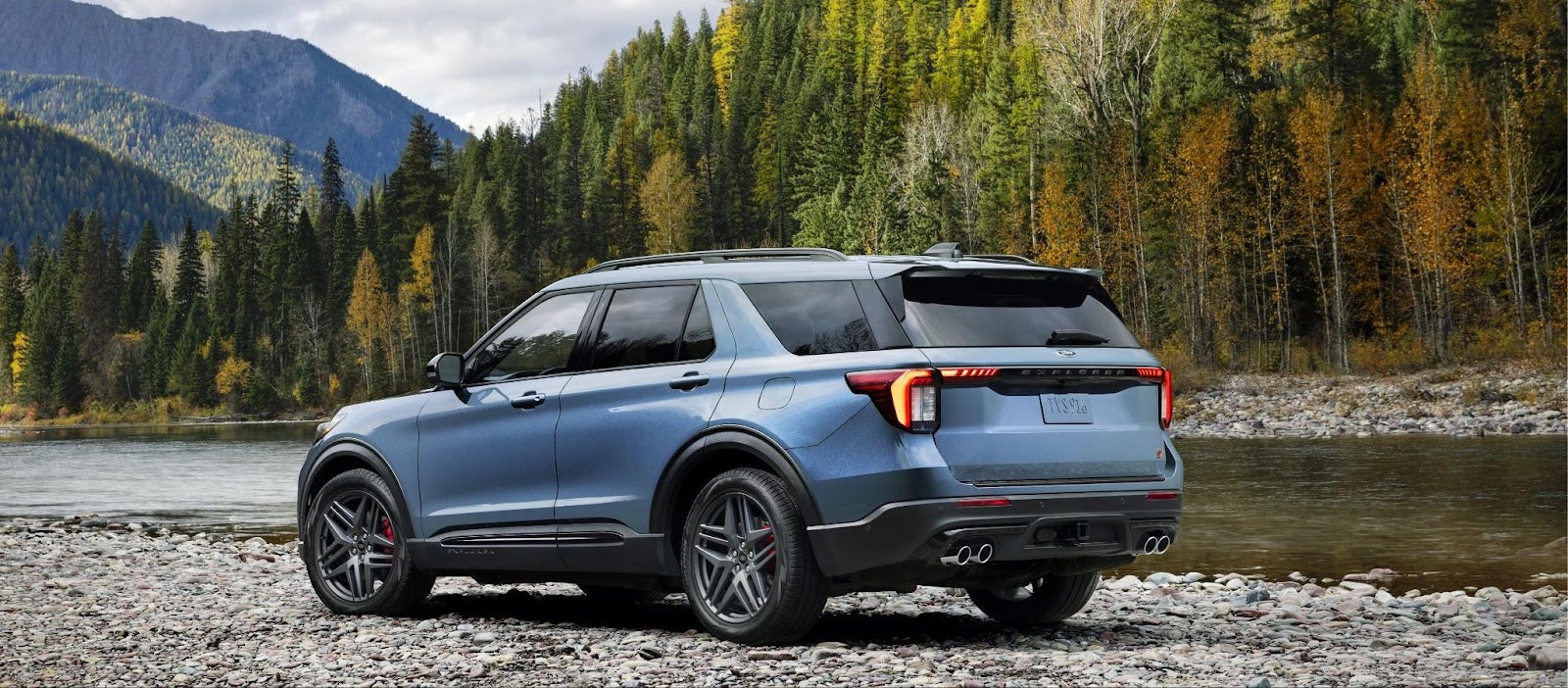
2025 ford explorer

Safe Driving in Windy Conditions: Tips for New Drivers

July 10th, 2025 by bill@zoomdigital.com Share this Post: Share on Facebook Share on Twitter If you’re new to the road, driving in different weather conditions can feel overwhelming—and that includes windy days. Strong gusts can push your vehicle off course, make it harder to steer, and create a stressful driving experience. But with the right tips and some modern vehicle features on your side, you can stay calm and safe behind the wheel. Let’s walk you through what to do when there’s a high wind warning, how to adjust your driving, and which vehicle features can help when driving in high-wind gusts. What Is a High Wind Warning? Meteorologists issue high wind warnings when they expect sustained winds of 40 mph or higher or gusts over 58 mph. Wind advisories can make it difficult to control your vehicle, especially if you drive a larger SUV, truck, or a high-profile vehicle like a van. It’s important to take these warnings seriously and adjust your travel plans if needed. If a warning is issued: Avoid unnecessary driving, especially on open highways or bridges. Park in a safe, sheltered area if possible. Stay informed by checking weather updates before hitting the road. Tips for Driving When Windy If you have to drive during windy conditions, here are a few practical tips that can help: 1. Keep Both Hands on the Wheel Use a firm grip on the steering wheel with both hands. Gusts can hit your car suddenly, and having control of the wheel helps you stay on course. 2. Slow Down High speeds make it harder to react to sudden gusts or swerving vehicles. Reducing your speed gives you more time to adjust safely. 3. Stay Alert for Large Vehicles Be extra cautious when passing or driving near trucks, buses, or trailers. These vehicles are more likely to sway or drift in strong winds. 4. Give More Space Leave extra room between your car and the vehicle ahead of you. A strong gust can affect your braking and increase your stopping distance, especially when you’re slowing down. 5. Avoid Sudden Movements Make smooth, gradual changes when steering, braking, or accelerating. Jerky movements can make your car more unstable in the wind. 6. Watch for Road Debris Strong winds can blow branches, trash, or other debris into the road. Stay alert and avoid anything that could damage your tires or undercarriage. Helpful Vehicle Features for Windy Conditions Newer vehicles come equipped with technology that can make driving in windy conditions much safer: Electronic Stability Control (ESC): Helps your car maintain traction during sudden gusts or if you begin to slide. Lane-Keeping Assist: Alerts you or gently corrects your steering if wind pushes you out of your lane. Blind Spot Monitoring: Helps you stay aware of vehicles that may shift in and out of your view during high winds. Adaptive Cruise Control: Adjusts your speed based on traffic and can help you maintain a safe distance from other vehicles in tough conditions. Get Even More Advice at Bull Valley Ford It’s normal to feel nervous about driving in high winds, especially if you’re a newer driver. But by staying alert, using safe driving techniques, and relying on the helpful features in your vehicle, you can handle windy conditions with confidence. If you’re thinking about upgrading to a newer car with the latest safety tech, visit Bull Valley Ford in Woodstock, IL. Our team can help you find a vehicle that offers the tools and protection you need, no matter the weather.

cars driving in snow

How to Deice a Car Quickly and Safely

February 27th, 2025 by Bull Valley Ford Share this Post: Share on Facebook Share on Twitter Winter weather can make getting on the road a challenge, especially when your car is covered in ice. If ice freezes your doors shut or covers your windshield, the right methods will save you time and protect your car from damage. This guide explains how to deice a car, including ways to unfreeze doors, clear ice from windows, and speed up the process. How to Deice a Car Door A frozen car door can keep you from getting inside your vehicle, especially when temperatures drop overnight. Instead of forcing the door open, try these safe and effective methods to remove the ice: Use a Deicing Spray – Spray a store-bought deicer or a mix of rubbing alcohol and water on the door edges and handle. This helps break down the layers of ice quickly. Push, Don’t Pull – Gently press against the door frame to break the ice seal before pulling the handle. This can help avoid damaging the rubber door seals. Lubricate the Locks – If your key won’t turn, spray some WD-40, graphite lubricant, or even hand sanitizer into the door lock. The alcohol in hand sanitizer can melt ice inside the keyhole. Try Warm Water (With Caution) – Pouring warm—not hot—water over the door edges can help loosen the ice. However, avoid using boiling water, as it can crack the glass or damage the paint. Prevent Future Freezing – Using a silicone-based spray on door seals before winter can help prevent them from freezing shut. How to Deice Car Windows Quickly A windshield covered in ice can slow down your morning routine. Instead of waiting for your defroster to do all the work, use these how-to-deice car windows tips: Start the Engine and Turn on the Defroster – Let the defroster warm up the glass while you work on the exterior ice. Use a Deicer Spray – A mix of two-thirds rubbing alcohol and one-third water can help melt ice fast. Spray it on the windshield and wait a minute before scraping. Scrape with a Proper Tool – Use a plastic ice scraper designed for windshields. Avoid metal objects that can scratch the glass. Avoid Hot Water – Pouring hot water on frozen glass can cause it to crack due to the sudden temperature change. Always use lukewarm water if necessary. Lift Wipers Before Ice Forms – Prevent them from freezing to the windshield by lifting them up before a storm. How to Speed Up Deicing Your Car If you’re in a hurry, these how-to-deice car techniques can help clear ice faster so you can get on the road sooner: Use the Vehicle’s Heating System – Start the car and set the heat and defroster to the highest settings. Apply a Windshield Cover Overnight – A cover or even a towel over the windshield can prevent ice buildup. Park Facing East – If possible, park your car so the morning sun helps melt the ice naturally. Use a Portable Heater or Heated Blanket – Using a portable heater inside the car (while monitoring it) can warm the interior and help melt ice on windows and doors. Keep Deicer in Your Car – Having a deicing spray or small bottle of rubbing alcohol in your car ensures you’re prepared when ice strikes. Stay Safe and Prepared for Winter Driving Knowing how to deice a car door and windows, and speeding up the deicing process can save time and prevent damage to your vehicle. Keeping the right tools handy and taking a few precautions can help you avoid delays and stay safe on the road, even in freezing weather. If you would like to upgrade your current vehicle with one that has a new heating system, then contact Bull Valley Ford and take advantage of our extensive inventory.

car driving on road

Defensive Driving Tips: Stay Safe on the Road

February 27th, 2025 by Bull Valley Ford Share this Post: Share on Facebook Share on Twitter Whether you’re commuting to work or taking a long road trip, being a defensive driver can help keep you and others safe. Defensive driving means more than just following traffic laws—it involves staying alert, spotting potential hazards, and making smart choices while driving. This guide explains defensive driving, shares key tips, and highlights why these skills are important for all drivers. What Is Defensive Driving? Defensive driving is a proactive approach to driving that focuses on minimizing risks and preventing accidents. Instead of simply reacting to road conditions, defensive drivers anticipate possible dangers and take steps to avoid them. This includes watching for sudden stops, unpredictable drivers, and hazardous road conditions. Defensive driving courses are useful for new drivers, professionals, and experienced motorists who want to improve their safety skills. Many insurance companies also offer discounts for completing a certified defensive driving program. Best Defensive Driving Practices To improve your safety on the road, follow these defensive driving tips: 1. Stay Focused and Eliminate Distractions Keep your eyes on the road at all times. Refrain from using your phone, adjusting vehicle controls, or eating while driving to maintain full attention on the road. Pay attention to traffic signals, pedestrians, and surrounding vehicles. 2. Maintain a Safe Following Distance Follow the three-second rule: Leave at least three seconds of space between your car and the vehicle ahead. Increase your following distance in bad weather or heavy traffic to allow more reaction time. 3. Watch for Other Drivers’ Behavior Stay alert to aggressive or distracted drivers who may make sudden lane changes or abrupt stops. Be prepared for unpredictable actions from pedestrians, cyclists, or motorcyclists. 4. Adjust Your Speed for Road Conditions Follow speed limits, but slow down in rain, snow, or fog to maintain better control. Avoid sudden acceleration or braking, especially on wet or icy roads. 5. Always Have an Escape Route Position your car where you have a clear way out if another driver makes a mistake. Avoid driving in another vehicle’s blind spot, and be aware of large trucks with limited visibility. 6. Follow Traffic Laws and Use Signals Properly Always signal before changing lanes or turning. Obey stop signs, red lights, and speed limits to prevent unnecessary risks. 7. Stay Calm and Avoid Road Rage If another driver is aggressive or reckless, avoid responding—reduce your speed and allow them to pass safely. Keep your emotions in check to avoid making impulsive driving decisions. Why Defensive Driving Is Important Practicing defensive driving safety tips can help reduce accidents, save lives, and lower vehicle repair costs. Here’s why every driver should adopt defensive driving behavior: ✔ Prevents Accidents – Anticipating risks and staying alert reduces the likelihood of collisions. ✔ Lower Insurance Costs – Safe drivers with clean records often qualify for lower insurance rates. ✔ Reduces Vehicle Wear and Tear – Gentle acceleration and braking help your car’s brakes, tires, and engine last longer. ✔ Promotes Safer Roads – When more drivers practice defensive driving, overall traffic safety improves for everyone. Following these defensive driving tips helps you drive more safely and protect yourself and others on the road. Drive Safer with Defensive Driving Habits Defensive driving is more than just a skill; it is a proactive approach that keeps you prepared for any situation on the road. No matter your experience level, these defensive driving techniques can help you stay safe, avoid accidents, and drive with confidence. If you would like to explore vehicles with driving safety systems that could assist your safe driving experience, then come to Bull Valley Ford.

snowy road

How Often Should You Wash Your Car in the Winter?

January 31st, 2025 by Bull Valley Ford Share this Post: Share on Facebook Share on Twitter Winter weather can be tough on vehicles, especially when road salt, ice, and slush start to build up. Regular cleaning helps protect your car’s exterior, prevents rust, and keeps it looking its best. But how often should you wash your car in the winter to keep it in top condition? Let’s explore the effects of winter weather on your vehicle and the best cleaning routine to follow. The Impact of Road Salt and Winter Weather on Your Car During the winter, roads are often treated with salt and de-icing chemicals to improve traction and reduce ice buildup. While this makes driving safer, it can also pose a serious threat to your vehicle. Rust and Corrosion: Salt and moisture create a perfect environment for rust to develop, especially on the undercarriage, wheel wells, and exposed metal parts. Once rust starts, it can spread quickly and weaken your vehicle’s structure. Paint and Finish Damage: Road salt can eat away at your car’s clear coat, leading to scratches, paint damage, and dullness over time. Clogged Drainage Areas: Snow and slush can trap debris in drainage areas, causing water buildup and potential damage to your vehicle’s frame and components. Reduced Visibility: Salt and grime can build up on your headlights, taillights, and windows, reducing visibility and making driving more dangerous. To prevent these issues, washing your car in winter is essential for protecting its exterior and maintaining performance. How Often Should You Wash Your Car in the Winter? The frequency of car washes in the winter months depends on how much exposure your vehicle has to road salt, snow, and ice. However, a good rule of thumb is: Wash your car at least once every two weeks. This helps remove salt buildup before it can cause long-term damage. Increase to once a week if you drive frequently in snow, slush, or salted roads. More frequent washes provide extra protection against corrosion. Wash after snowstorms or heavy road salt exposure. If you’ve driven on salty roads, washing your car quickly can help stop salt from building up in cracks and on metal surfaces. Use a touchless or hand wash when possible. Automatic car washes with rotating brushes can sometimes grind salt and dirt into the paint, causing micro-scratches. Don’t forget the undercarriage wash. Many car washes offer underbody cleaning, which is crucial for removing salt buildup from hard-to-reach areas. Along with exterior washes, consider cleaning the interior as well. Snow, mud, and salt from your shoes can stain carpets and cause wear over time. Using all-weather floor mats can help protect your vehicle’s interior from winter messes. Keep Your Car Looking Its Best This Winter Washing your car regularly in winter helps prevent rust, keeps the paint looking good, and improves visibility for safer driving. By following a consistent car cleaning routine, you can protect your vehicle from the harsh effects of cold weather. If you’re looking for more tips on car care or need expert service for your Ford, Bull Valley Ford is here to help. Stop by our dealership in Woodstock, IL, or contact us today to learn how to keep your vehicle in great shape all year!

How to Connect to Ford SYNC & Use Your Favorite Apps

January 31st, 2025 by Bull Valley Ford Share this Post: Share on Facebook Share on Twitter Ford SYNC® is a smart infotainment system that allows drivers to stay connected while on the road. Whether you want to make hands-free calls, play music, or use navigation apps, SYNC makes it simple to connect your smartphone to your vehicle. If you want to connect to Ford SYNC, follow this step-by-step guide to get started. How to Connect Your Phone to Ford SYNC Syncing your phone with Ford SYNC is a simple process. Just follow these steps to connect your device and start using hands-free features: Step 1: Enable Bluetooth on Your Phone Open your phone’s Settings app. Select Bluetooth and turn it on. Step 2: Start the Pairing Process in Your Vehicle Turn on your Ford vehicle and ensure the SYNC system is powered on. Press the Phone button on your SYNC screen or dashboard. Select Add a Device or Pair a Phone, depending on your vehicle’s SYNC version. Step 3: Pair Your Phone with Ford SYNC Your SYNC screen will display a PIN. On your phone, look for SYNC under available Bluetooth devices and select it. Enter the PIN from the SYNC screen (if required) and confirm pairing. Step 4: Allow Access to Contacts & Messages Your phone may prompt you to allow SYNC access to contacts and text messages. Allowing access lets you use hands-free calling and get text notifications. Step 5: Confirm Connection & Test Features Your phone should now be connected to Ford SYNC. Test the connection by making a call or using voice commands. If prompted, set SYNC as a trusted device to allow automatic reconnection. By following these steps, you’ll easily connect your phone to Ford SYNC to play music, make calls, and use hands-free features. What Apps Can You Use with Ford SYNC? After connecting your phone, you can use various apps on Ford SYNC for music, navigation, and communication. Some of the most popular compatible apps include: Music & Entertainment Spotify – Stream your favorite playlists, albums, and podcasts. Apple Music – Play your personal music library or stream online. Pandora – Listen to custom radio stations based on your preferences. iHeartRadio – Access live radio and on-demand content. Navigation Google Maps – Get turn-by-turn directions with real-time traffic updates. Waze – Receive crowd-sourced navigation alerts and traffic reports. Apple Maps – Use voice-guided directions and traffic information. Communication & Connectivity WhatsApp – Send and receive messages hands-free using voice commands. FordPass® – Remotely check vehicle status, lock/unlock doors, and start your engine. Amazon Alexa – Access voice-controlled assistance for news, weather, and smart home features. Ford designed SYNC to make driving safer and more convenient, keeping you connected without taking your hands off the wheel. Stay Connected with Ford SYNC at Bull Valley Ford Now that you know how to connect to Ford SYNC, you can enjoy seamless access to your favorite apps while driving. If you need help setting up your SYNC system or want to check out the latest Ford vehicles with SYNC, visit Bull Valley Ford in Woodstock, IL. Our team is happy to help you get the most out of your Ford’s infotainment system. Contact us today or stop by our dealership to learn more!

Essential Features of The Best Ford Work Trucks

January 16th, 2025 by Bull Valley Ford Share this Post: Share on Facebook Share on Twitter Finding the right work truck means choosing a vehicle that can handle the demands of job sites, towing, and daily tasks. For businesses and tradespeople, a well-designed truck is an essential tool that makes tasks easier, safer, and more efficient. Whether you’re looking at work trucks for sale or considering Ford work trucks, here are key features that make a truck ideal for job sites and utility needs. Towing and Hauling Power One of the most critical aspects of a reliable work truck is its towing and hauling capabilities. Many job sites need heavy equipment, materials, or trailers moved, and a truck’s towing power is a big advantage. High Towing Capacity: Look for a truck with a high towing capacity that matches your job requirements. Ford work trucks come with engines and drivetrains built for heavy-duty tasks, making it easy for them to tow large loads. Whether towing trailers, machinery, or other large items, a high towing capacity provides flexibility for various job demands. Robust Payload Capacity: Besides towing, a strong payload capacity is essential for carrying heavy tools, supplies, and equipment in the truck bed. The best work trucks combine high towing and payload capacities, making them versatile for both transport and on-site storage. Convenient Onboard Outlets For many job sites, access to power is essential. A work truck with built-in power outlets can handle everything from power tools to chargers, making it easier to get tasks done right from the vehicle. Onboard Power Options: Some Ford work trucks have 120V or even 240V outlets, so you can run or charge power tools and other devices without a separate generator. This feature is invaluable for contractors and tradespeople who need to operate tools in remote or power-limited locations. Mobile Workstation Capabilities: With onboard outlets, a work truck can serve as a mobile workstation, letting you charge devices, power laptops, and complete tasks right from the vehicle. This feature boosts productivity, letting you complete projects efficiently without returning to a central base or waiting for power. Maneuverability and Ease in Tight Spaces Many work environments, especially urban job sites, require trucks that can navigate tight spaces with ease. Work trucks with features that support maneuverability make it easier to park, reverse, and operate safely in confined areas. 360-Degree Camera Systems: For easy navigation in tight spaces, some work trucks come equipped with 360-degree camera systems. These systems give a full view of the truck’s surroundings, making it easier to maneuver around obstacles and park in tight spaces. This feature is especially useful on crowded job sites or in urban settings. Blind-Spot Monitoring and Sensors: Many trucks also have blind-spot monitoring and rear parking sensors, giving drivers extra awareness of nearby objects. This technology makes reversing and parking safer, lowering the risk of collisions and letting you focus on the job without worrying about visibility. Adjustable Mirrors and Compact Design Options: Some work trucks have adjustable mirrors for better side and rear visibility, and compact models make it easier to navigate narrow areas. These features are essential on job sites that require precision driving and have limited space. Rugged Build and Durable Materials A work truck must be tough enough to withstand the rigors of daily job site use. From exposure to heavy equipment to rugged terrain, durability is essential. Heavy-Duty Frames and Suspension: Manufacturers build the best work trucks with reinforced frames and suspension systems. This allows them to handle rough terrain and carry heavy loads without compromising stability. Weather-Resistant Interiors: Work trucks often have interiors made from durable, easy-to-clean materials that resist dirt, dust, and wet conditions found on job sites. Ford work trucks, for example, offer vinyl or rubberized flooring options that are both durable and simple to maintain. Protective Exterior Coatings: A robust truck exterior protects against scratches, dents, and corrosion. Look for trucks with protective coatings or bed liners to prevent wear and tear over time. Conclusion: Find the Right Work Truck for Your Needs When it comes to choosing the best work truck, the features above are crucial for supporting productivity, safety, and durability on the job. If you’re looking for Ford work trucks with the power, convenience, and toughness you need, Bull Valley Ford has a variety of work trucks for sale to check out. Contact us today or visit our dealership to find a work truck that fits your needs and see how the right features can improve your workday.

parked cars

How to Choose the Best Parking Spot in Any Situation

November 13th, 2024 by Bull Valley Ford Share this Post: Share on Facebook Share on Twitter Finding the best parking spot can make your day easier, safer, and more convenient. What qualifies as “the best spot” can vary depending on your location. It could be a crowded parking lot, a multi-level garage, a busy street, or a large event. Common Parking Situations 1. Parking Lots In open parking lots, the best parking spaces often depend on your priorities, such as convenience, safety, or the condition of your vehicle. Here are some tips for selecting a great spot in a parking lot: Closer to Entrances for Convenience: If you’re looking to get in and out quickly, try to park closer to the building entrance. However, these spots are usually in high demand and can put your car at higher risk of dings from other doors. Near Light Poles for Safety: If you’ll be leaving after dark, park near a light pole for better visibility. A well-lit spot can deter theft and make you feel safer when returning to your car at night. Away from High-Traffic Areas to Avoid Dings: Parking farther away or near the back of the lot can reduce the chance of accidental dings and scratches. It’s often less congested, giving you more room to park and reducing the likelihood of collisions with carts or other cars. 2. Parking Garages Parking garages present a different set of challenges. Here’s how to choose the best parking spot within a garage: Lower Levels for Convenience: The lower levels are usually closer to the exits, which can save time when you’re leaving. However, these spots tend to fill up fast, especially during peak hours. Near Exits for Quick Access: If possible, look for a spot near an exit ramp. This allows for a quick and easy departure, especially in large garages where getting out can be time-consuming. Middle Levels to Avoid Congestion: To reduce the hassle of navigating through a busy garage, consider parking on a middle level where traffic is often lighter. These levels might have more open spaces and less pedestrian traffic. 3. Street Parking Street parking can be tricky, but selecting the right spot can save time and reduce stress. Here’s what to consider: Near Crosswalks for Easy Access: Parking near a crosswalk can make it easier to access the sidewalk and your destination. It also minimizes the distance you need to walk, which is especially helpful if you’re carrying heavy bags. Avoid Corners and Driveways: Try not to park near corners or driveways. These spots can block other drivers’ visibility and raise the chances they’ll hit your vehicle. Opt for Legal and Safe Spots: Always check for signs and restrictions. Avoid areas with “No Parking” signs, and be cautious about spaces that require permits. Parking legally will help you avoid fines and potential towing. 4. Big Event Parking Events like concerts, fairs, and sports games come with unique parking challenges. Here’s how to find the best parking spot when attending a large event: Arrive Early for Close Proximity: Getting there early is key if you want a spot near the entrance. This can be especially helpful if you have mobility concerns or just want to avoid a long walk. Look for a Quick Exit Route: Some venues have designated exit lanes for easier departure. Park near one of these lanes if you’re hoping to avoid traffic congestion after the event. Park in an Open Area to Avoid Dings: If you’re concerned about the condition of your vehicle, look for an area with fewer cars. This reduces the likelihood of getting dings from car doors or crowded areas. Make Parking Easier with a Reliable Vehicle Finding the best parking spot takes some strategy, but having a reliable vehicle makes it even simpler. Modern vehicles, like a new Ford with parking assist features, can make maneuvering into any spot easier, even in tight spaces. With a parallel parking assistance system, you can let your vehicle handle the hardest part, so you can focus on enjoying your destination. Remember, whether you’re parking in a lot, a garage, on the street, or at a major event, taking the time to find the best parking spot can enhance your overall experience. And with a dependable vehicle equipped with driver assistance, you’ll have peace of mind no matter where you choose to park.

young woman in car while two men shake hands

Best Cars for College Students: Find Your Perfect Fit

October 4th, 2024 by Bull Valley Ford Share this Post: Share on Facebook Share on Twitter Choosing the right vehicle is an important decision for college students. A car that balances affordability, reliability, and practicality is essential for navigating campus life, road trips home, and everything in between. Whether you’re looking for a compact sedan to fit into tight parking spaces or an SUV with room for weekend adventures, Ford has a range of options perfect for college students. Here’s a look at the best types of vehicles for college students and the discounts available to make owning one even easier. When it comes to finding the best cars for college students, sedans and SUVs are often the top contenders. Each type offers unique benefits that cater to a student’s lifestyle, so it’s worth considering your priorities when choosing your next vehicle. Sedans: If you’re after a car that’s fuel-efficient, affordable, and easy to zip around campus, a sedan is a great pick. Compact sedans, like the Ford Fusion, offer a perfect balance of affordability and convenience. They’re ideal for students commuting to class or heading home on the weekends, thanks to their fuel economy and relatively low maintenance costs. And with their smaller size, parking on crowded campuses is a piece of cake. SUVs: For students who need more space or frequently travel with friends and gear, an SUV can be the perfect solution. Ford SUVs like the Escape, Edge, or Bronco Sport offer extra cargo space, higher seating for a better view of the road, and greater versatility for both city driving and weekend getaways. An SUV is also a great option for students who may need to transport sports equipment, camping gear, or larger loads during moves. Both sedans and SUVs have their benefits, so it ultimately depends on your needs as a student. Consider your driving habits, storage requirements, and budget to determine which vehicle type suits you best. Take Advantage of the Ford College Student Discount Budget is a key consideration for many college students, and Ford recognizes that with special discounts designed to make vehicle ownership more accessible. The Ford college student discount is an excellent way to save on your next vehicle purchase. Ford specifically designed this program for current college students, recent graduates, and even graduate students. Whether you’re in search of a sedan like the Ford Focus or a versatile SUV like the Ford Escape, you can enjoy significant savings with this program. With the Ford college student discount, eligible students can access discounts on both new and used Ford models. Additionally, Ford offers financing options tailored to students, making it easier to manage payments while pursuing your education. Ford designed these discounts to ease the financial burden of vehicle ownership, helping students find reliable transportation without breaking the bank. Visit Bull Valley Ford for Great Deals and Reliable Service If you’re a college student searching for affordable vehicles, look no further than Bull Valley Ford. We offer a wide selection of Ford sedans and SUVs that are perfect for campus life, along with fantastic deals and the opportunity to take advantage of the Ford college student discount. At Bull Valley Ford, our team is committed to helping you find the right vehicle at a price that fits your budget. We also offer exceptional service to keep your car running smoothly throughout your college years. Visit our dealership in Woodstock, IL, or browse our online inventory to explore the options available to you. We’re here to make sure your journey through college is as smooth as possible with a reliable Ford vehicle by your side.

vehicle interior

Best Car Apps for The Road Ahead

October 1st, 2024 by Bull Valley Ford Share this Post: Share on Facebook Share on Twitter In today’s connected world, having the right apps on your phone can make your driving experience safer, more efficient, and much more enjoyable. Whether you’re commuting to work, heading out on a road trip, or just running errands, the right tools can turn your drive into a smooth and hassle-free journey. Here are some of the best Android Auto and Apple CarPlay apps you should consider downloading, covering everything from navigation and entertainment to finding parking and charging stations. 1. Navigational Apps: Get Where You Need to Go Navigation is the foundation of any good driving experience. While most modern cars come equipped with built-in navigation systems, certain apps on your smartphone can offer real-time updates and additional features that in-car systems might lack. Google Maps: Arguably the most popular navigation app, Google Maps provides real-time traffic updates, alternative routes, and even information on local businesses and attractions. It’s a must-have for anyone looking to get from point A to point B efficiently. Waze: Known for its community-driven features, Waze alerts you to road hazards, speed traps, and traffic jams, thanks to real-time updates from other drivers. This app is perfect for those who want to avoid delays and discover the quickest routes. Apple Maps: Integrated seamlessly with Apple CarPlay, Apple Maps offers a sleek interface and accurate navigation. If you’re an iPhone user, this app works effortlessly with your device and car’s infotainment system. 2. Music and Entertainment Apps: Make the Journey Enjoyable Long drives can be tedious, but the right entertainment apps can keep you engaged and entertained throughout your trip. Whether you’re a music lover, podcast enthusiast, or audiobook aficionado, these apps are essential. Spotify: With millions of songs, podcasts, and playlists at your fingertips, Spotify is a go-to app for music and audio entertainment. It integrates smoothly with Apple and Android phones, allowing you to control your tunes while using hands-free voice controls. Audible: For those who prefer audiobooks, Audible offers a vast library of titles across all genres. Whether you’re catching up on a bestseller or diving into a new topic, Audible can make your drive both informative and enjoyable. Pandora: Pandora’s personalized radio stations help you discover new music based on your favorite artists or genres. It’s a great way to keep your music fresh and discover new tracks during your drive. 3. Practical Apps: Parking and Charging Made Easy Finding parking or a charging station for your electric vehicle can sometimes be a challenge. These practical apps can help you locate spots quickly and efficiently, saving you time and stress. ParkMobile: ParkMobile allows you to find and pay for parking spots directly from your phone. With coverage in many cities, this app is perfect for drivers who want to avoid the hassle of searching for parking meters or kiosks. PlugShare: For electric vehicle owners, PlugShare is an essential tool. It helps you locate nearby charging stations, filter by charging speed, and even read reviews from other EV drivers. This app ensures you never run out of power during your journey. GasBuddy: While not directly related to parking or charging, GasBuddy is another useful app that helps you find the cheapest gas prices in your area. It’s a handy tool for budget-conscious drivers looking to save on fuel costs. Find a Vehicle With Smartphone Integration Incorporating these apps into your driving routine can significantly enhance your experience, making every trip more efficient, enjoyable, and stress-free. Whether you’re navigating new roads, curating the perfect playlist, or finding a spot to park or charge, these are the best car apps to keep on your phone. If you want one of the latest vehicles equipped with Apple CarPlay and Android Auto systems so you can utilize your favorite apps, then check out the new vehicle inventory at Bull Valley Ford.

Contact Us

Fill out this form below and we'll contact you shortly
*Required Fields