

Blog

Best Cars for College Students: Find Your Perfect Fit

young woman in car while two men shake hands

October 4th, 2024 by Bull Valley Ford

Share this Post: Share on Facebook Share on Twitter

Choosing the right vehicle is an important decision for college students. A car that balances affordability, reliability, and practicality is essential for navigating campus life, road trips home, and everything in between. Whether you’re looking for a compact sedan to fit into tight parking spaces or an SUV with room for weekend adventures, Ford has a range of options perfect for college students. Here’s a look at the best types of vehicles for college students and the discounts available to make owning one even easier.

When it comes to finding the best cars for college students, sedans and SUVs are often the top contenders. Each type offers unique benefits that cater to a student’s lifestyle, so it’s worth considering your priorities when choosing your next vehicle.

  • Sedans: If you’re after a car that’s fuel-efficient, affordable, and easy to zip around campus, a sedan is a great pick. Compact sedans, like the Ford Fusion, offer a perfect balance of affordability and convenience. They’re ideal for students commuting to class or heading home on the weekends, thanks to their fuel economy and relatively low maintenance costs. And with their smaller size, parking on crowded campuses is a piece of cake.
  • SUVs: For students who need more space or frequently travel with friends and gear, an SUV can be the perfect solution. Ford SUVs like the Escape, Edge, or Bronco Sport offer extra cargo space, higher seating for a better view of the road, and greater versatility for both city driving and weekend getaways. An SUV is also a great option for students who may need to transport sports equipment, camping gear, or larger loads during moves.

Both sedans and SUVs have their benefits, so it ultimately depends on your needs as a student. Consider your driving habits, storage requirements, and budget to determine which vehicle type suits you best.

Take Advantage of the Ford College Student Discount

Budget is a key consideration for many college students, and Ford recognizes that with special discounts designed to make vehicle ownership more accessible. The Ford college student discount is an excellent way to save on your next vehicle purchase. Ford specifically designed this program for current college students, recent graduates, and even graduate students. Whether you’re in search of a sedan like the Ford Focus or a versatile SUV like the Ford Escape, you can enjoy significant savings with this program.

With the Ford college student discount, eligible students can access discounts on both new and used Ford models. Additionally, Ford offers financing options tailored to students, making it easier to manage payments while pursuing your education. Ford designed these discounts to ease the financial burden of vehicle ownership, helping students find reliable transportation without breaking the bank.

Visit Bull Valley Ford for Great Deals and Reliable Service

If you’re a college student searching for affordable vehicles, look no further than Bull Valley Ford. We offer a wide selection of Ford sedans and SUVs that are perfect for campus life, along with fantastic deals and the opportunity to take advantage of the Ford college student discount.

At Bull Valley Ford, our team is committed to helping you find the right vehicle at a price that fits your budget. We also offer exceptional service to keep your car running smoothly throughout your college years. Visit our dealership in Woodstock, IL, or browse our online inventory to explore the options available to you. We’re here to make sure your journey through college is as smooth as possible with a reliable Ford vehicle by your side.

Recommended Posts

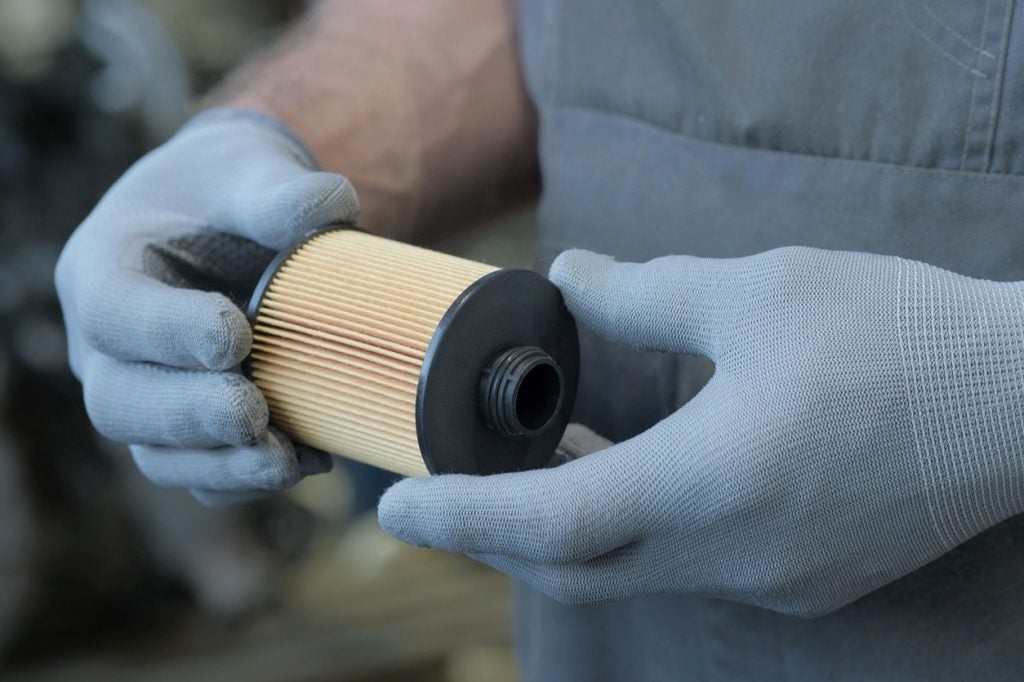
How Often Should You Replace Your Engine Air Filter?

Your vehicle depends on clean air to keep the engine running efficiently. The engine air filter keeps dirt, dust, pollen, and other debris from entering the engine, helping it perform at its best. Over time, however, the filter becomes clogged and loses its ability to protect the engine. Knowing when to schedule an engine air filter replacement can improve performance, maintain fuel efficiency, and support long-term vehicle maintenance. Here's what every driver should know. What Does an Engine Air Filter Do? The engine air filter sits between the outside air and your engine. As air enters the engine, the filter traps contaminants before they can cause damage to internal components. A clean air filter helps your vehicle: Maintain proper airflow to the engine Improve engine performance Support fuel efficiency Reduce engine wear Protect internal engine components As the filter collects more debris, airflow becomes restricted, forcing the engine to work harder. Signs You Need an Engine Air Filter Replacement A dirty air filter often develops gradually, making it easy to overlook the warning signs. Fortunately, your vehicle may give you several clues that it's time for an engine air filter replacement. Common signs include: Reduced fuel economy Slower acceleration Rough engine idle Decreased engine performance Unusual engine sounds A dirty or clogged filter during inspection Check engine light in some vehicles If you notice one or more of these symptoms, it may be time to have your air filter inspected. How Often Should You Replace Your Engine Air Filter? There is no single replacement schedule that fits every vehicle. Most manufacturers recommend inspecting the engine air filter during routine service and replacing it approximately every 15,000 to 30,000 miles. However, replacement intervals depend on several factors, including: Your vehicle manufacturer's recommendations Driving on dusty or gravel roads Frequent stop-and-go driving Local weather and environmental conditions Drivers who regularly travel in dusty conditions may need more frequent engine air filter replacement than those who drive primarily on paved highways. Checking your owner's manual or asking your service technician is the best way to determine the right schedule for your vehicle. Don't Forget About the Cabin Air Filter While many drivers know about engine air filters, the cabin air filter is just as important for comfort inside your vehicle. The cabin air filter cleans the air entering your heating and air conditioning system. It helps remove dust, pollen, dirt, and other airborne particles before they reach the passenger compartment. A dirty cabin air filter can cause: Reduced airflow from your vents Musty odors inside the cabin Increased dust inside the vehicle Reduced heating and cooling performance Many vehicles require cabin air filter replacement every 15,000 to 30,000 miles, although driving conditions may affect replacement intervals. Regular Vehicle Maintenance Makes a Difference Replacing air filters is only one part of proper vehicle maintenance. Keeping up with routine service helps your vehicle perform more efficiently and may help prevent larger repairs later. Regular maintenance also includes: Oil changes Tire rotations Brake inspections Fluid checks Battery testing Following your maintenance schedule helps extend the life of your vehicle while improving reliability and performance. Visit Bull Valley Ford for Air Filter Service Replacing your engine air filter and cabin air filter is a simple service that can help improve your vehicle's performance and comfort. Whether your vehicle needs a routine inspection or you're noticing signs of reduced airflow, our service team is here to help. At Bull Valley Ford, we make vehicle maintenance simple with experienced technicians and quality service you can trust. Schedule your next service appointment online or visit Bull Valley Ford in Woodstock, IL. You can also call (815) 338-6680 today to keep your vehicle running at its best.

How to Keep Your Car Looking New Inside and Out

Keeping your vehicle looking its best takes more than an occasional wash. Regular cleaning and maintenance help preserve both the appearance and value of your car. Whether you plan to keep your vehicle for many years or trade it in someday, taking care of the interior and exterior can make a noticeable difference. These car detailing tips will help you protect your investment and keep your vehicle looking newer for longer. Prioritize Interior Car Care The interior of your vehicle experiences daily wear from passengers, food, pets, and sunlight. Dirt and debris can build up quickly if you do not clean the cabin regularly. Good interior car care starts with routine cleaning. Vacuum the carpets and seats often to remove dirt before it works its way into the fabric. Wipe down the dashboard, center console, and door panels with products designed for automotive surfaces. You can also help preserve your interior by: Cleaning spills as soon as they happen Using floor mats to protect carpeting Conditioning leather seats when needed Keeping windows clean for better visibility Removing unnecessary clutter Parking in the shade or using a windshield sunshade also helps reduce fading and cracking caused by prolonged sun exposure. Protect Car Paint With Regular Exterior Care Your vehicle's exterior faces constant exposure to sunlight, rain, road salt, bird droppings, and road debris. Without regular care, these elements can dull the finish and damage the paint over time. One of the best ways to protect car paint is by washing your vehicle regularly. Dirt and contaminants can scratch the finish if they remain on the surface for too long. Other ways to protect your vehicle include: Applying quality wax several times a year Using paint sealants or ceramic coatings Washing off road salt during winter Removing bird droppings and tree sap quickly Parking in a garage or covered area whenever possible These simple habits help preserve your vehicle's finish and maintain its appearance. Restore Your Vehicle With Professional Detailing Even with regular maintenance, every vehicle eventually benefits from professional detailing. Detailers use specialized tools and products to clean areas that are difficult to reach during routine washing. Professional detailing services often include: Deep interior cleaning Carpet and upholstery shampooing Paint polishing Headlight restoration Protective wax or sealant application Combining professional detailing with regular maintenance can help your vehicle maintain a like-new appearance for years. Don't Forget Routine Maintenance Appearance is important, but mechanical condition also affects your vehicle's long-term value. Keeping up with routine maintenance helps your car perform as well as it looks. Following your recommended maintenance schedule can help extend the life of your vehicle by keeping important systems in good condition. Routine services include: Oil changes Tire rotations Brake inspections Fluid checks Battery testing A vehicle that looks clean and runs well is often worth more when it comes time to trade it in. Know When It's Time to Upgrade Even with excellent care, every vehicle eventually reaches a point where repairs become more frequent or expensive. When maintenance costs continue to increase, it may be time to consider replacing your vehicle. If you're facing major repairs or simply want newer technology and safety features, upgrading to a newer vehicle may offer better long-term value. A dealership can help you evaluate your current vehicle, estimate its trade-in value, and explore financing options that fit your budget. Trading in your current vehicle can also reduce the cost of purchasing your next car, truck, or SUV. Let Bull Valley Ford Help Keep Your Vehicle Looking Its Best Following these car detailing tips and practicing regular interior car care can help your vehicle stay cleaner, more comfortable, and better protected throughout the year. Taking the time to protect car paint and maintain your vehicle can also help preserve its value for years to come. Whether you need routine maintenance, want to keep your current vehicle in excellent condition, or are ready to upgrade to something new, Bull Valley Ford is here to help. Visit our dealership in Woodstock, IL, browse our inventory online, or call (815) 338-6680 today. Our team is ready to help you keep your vehicle looking and performing its best.

The aftermath of a vehicle collision.

What to Do After a Collision: A Step-by-Step Guide

Being involved in a collision can be stressful and overwhelming. Whether it is a minor fender bender or a more serious accident, knowing what to do afterward can help protect your safety, your vehicle, and your finances. The steps you take immediately after a collision can make a significant difference in the claims process and any necessary repairs. This guide explains what to do at the scene and how to handle the days and weeks that follow. What to Do Immediately After a Collision Your first priority after any accident is safety. If possible, move your vehicle to a safe location away from traffic. Turn on your hazard lights to alert other drivers. Once you are in a safe location: Check yourself and passengers for injuries Call 911 if anyone is injured Contact local law enforcement if required Remain calm and avoid admitting fault Exchange information with the other driver Important information to collect includes: Names and contact information Driver's license numbers Insurance details Vehicle make, model, and license plate numbers Taking photos of the accident scene, vehicle damage, road conditions, and traffic signs can also help document what happened. Assess Vehicle Damage Even if your vehicle appears drivable, it is important to assess the damage carefully. Some collision-related issues may not be immediately visible. Common signs of damage include: Dented body panels Broken lights or mirrors Fluid leaks Steering problems Tire or wheel damage A vehicle may look fine on the outside while hiding structural, suspension, or alignment issues underneath. This is why professional inspection is important after an accident. Contact Your Insurance Company After leaving the scene, notify your insurance company as soon as possible. Most insurers require prompt reporting of accidents. When filing a claim, be prepared to provide: Photos from the accident scene Police report information if available Contact information for other drivers involved Details about vehicle damage Your insurance company will explain the next steps and help determine what repairs may be covered under your policy. Schedule a Post-Collision Repair Inspection One of the most important steps after an accident is scheduling a post-collision repair inspection. Even minor impacts can affect vehicle systems that are not visible during a quick walk-around. A professional inspection can identify: Frame or structural damage Suspension issues Alignment problems Hidden body damage Safety system concerns Modern vehicles contain advanced driver-assist technologies and sensors that may require recalibration after a collision. A thorough inspection helps ensure your vehicle remains safe and performs properly. Why Auto Collision Repair Matters Delaying repairs can allow damage to worsen over time. Even small issues can lead to additional problems if left untreated. Professional auto collision repair helps restore your vehicle's appearance, safety, and performance. Proper repairs can also help preserve resale value and prevent future mechanical concerns. Benefits of timely auto collision repair include: Restored structural integrity Improved vehicle safety Better driving performance Protection against rust and corrosion Preservation of vehicle value Addressing damage quickly helps prevent small problems from becoming larger and more expensive repairs. Monitor Your Vehicle in the Weeks Following Even after repairs are completed, continue paying attention to how your vehicle performs. Some issues may not become noticeable until days or weeks later. Watch for: Unusual noises Steering pull or vibration Warning lights on the dashboard Uneven tire wear Changes in braking performance If you notice anything unusual, schedule a follow-up inspection to ensure everything is functioning correctly. Let Bull Valley Ford Help After a Collision Knowing what to do after an accident can help reduce stress and protect your vehicle. From documenting the scene to scheduling a post-collision repair inspection, every step plays an important role in restoring your vehicle properly. At Bull Valley Ford, we understand how important your vehicle is to your daily life. Our team can help you maintain your vehicle and identify potential issues following an accident. If you have questions about vehicle inspections, maintenance, or auto collision repair, contact Bull Valley Ford in Woodstock, IL. Call (815) 338-6680 today to learn more or schedule a service appointment.