
What to Do About Streaky Windshield Wipers
Clear visibility matters every time you drive. Rain, snow, road spray, and dirt can quickly make the windshield difficult to see through. When streaky windshield wipers leave lines or smears behind, they can reduce visibility and make driving less comfortable.
The problem does not always mean you need new blades right away. Dirt, dust, or residue may prevent the rubber from making even contact with the glass. Cleaning the blades may solve the issue, but worn or damaged blades usually need replacement.
Here is how to inspect, clean, and replace your windshield wipers.
Clean the Wiper Blades First
Before replacing the blades, check them for dirt or buildup. Dust, road grime, pollen, and car wash residue can collect along the rubber edge. This debris can cause the blades to skip or leave streaks.
Lift each wiper arm away from the windshield. Wipe the rubber edge with a clean cloth and warm, soapy water. You can also use rubbing alcohol on a cloth to remove stubborn residue.
Run the cloth along the full length of each blade. Continue cleaning until the cloth no longer picks up dirt. Then wipe the windshield with automotive glass cleaner.
After cleaning, test the wipers with washer fluid. If they move smoothly and clear the glass evenly, you may not need to replace them yet.
Check for Signs of Damage
Cleaning will not fix rubber that has cracked, split, hardened, or changed shape. Inspect the blades closely after removing any dirt.
You may need new wiper blades if you notice:
Cracks or cuts in the rubber
Missing pieces along the blade edge
Bent or damaged frames
Chattering across the windshield
Areas the blades fail to clear
Loud squeaking during use
Sunlight, temperature changes, ice, and regular use can wear down the rubber. Blades may also lose flexibility over time, even when they still look intact.
Replace the blades if cleaning does not improve performance or if you find visible damage.
When Should You Replace Wiper Blades?
Many drivers replace windshield wipers every six to twelve months. However, weather and driving conditions can affect how long they last.
Frequent sun exposure can dry out the rubber. Winter ice can tear the blade edge or place pressure on the frame. Heavy rain and regular highway driving may also shorten blade life.
You should check your wipers during routine vehicle maintenance. Replace them as soon as they stop clearing the windshield properly. Waiting can make it harder to see during bad weather.
How to Replace Windshield Wipers
Learning how to replace wiper blades can help you complete a simple maintenance task at home. The exact connection may vary by vehicle, so check your owner's manual before starting.
Follow these general steps:
Buy blades that match your vehicle's required size.
Lift the wiper arm away from the windshield.
Turn the old blade so you can access the attachment point.
Press the release tab or open the locking clip.
Slide the old blade off the wiper arm.
Attach the new blade and listen for it to click into place.
Lower the arm gently onto the windshield.
Repeat the process on the other side.
Place a folded towel on the windshield while working. This can help protect the glass if the metal wiper arm falls unexpectedly.
Test the new blades with washer fluid after installation. Confirm that they move freely and clear the windshield without leaving streaks.
Do Not Forget the Rear Wiper
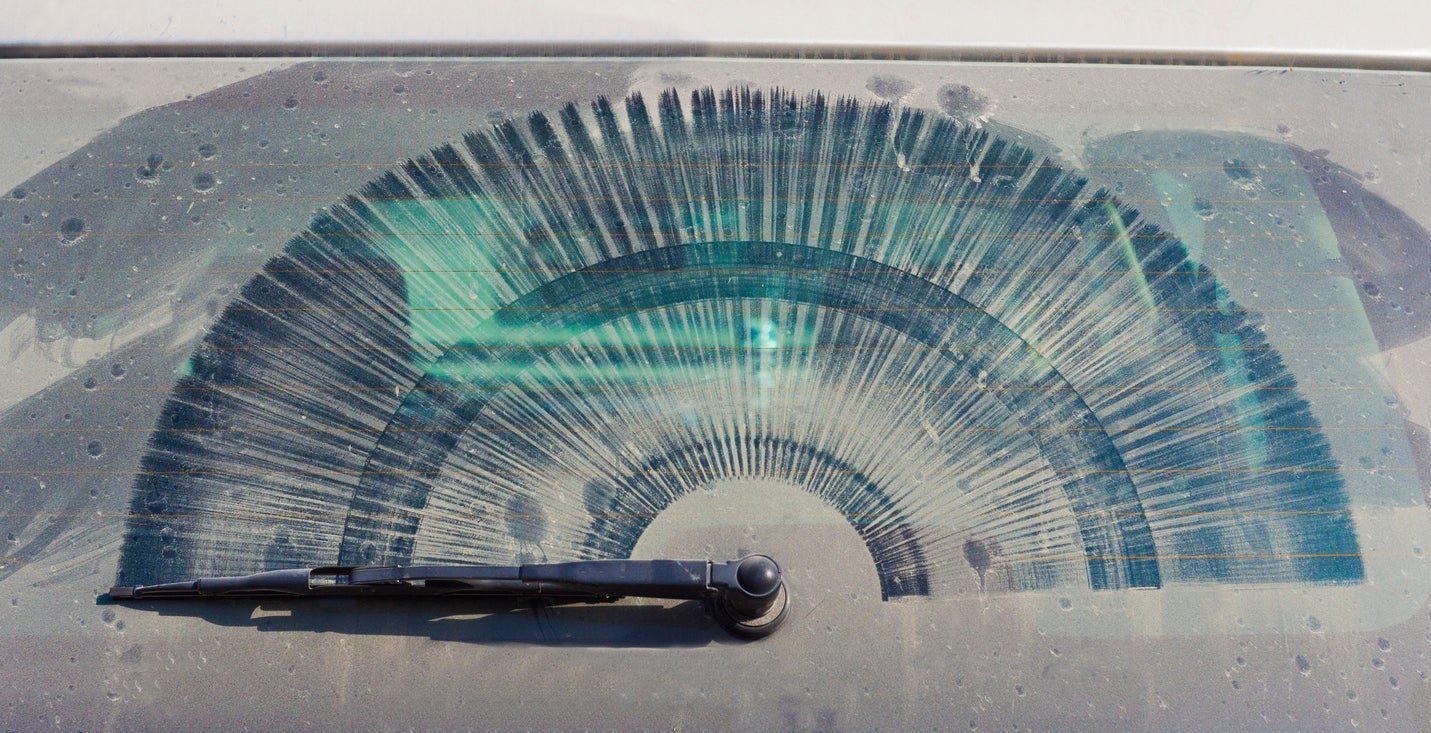
SUVs, crossovers, and hatchbacks often have a rear windshield wiper. Drivers sometimes overlook this blade until visibility becomes poor.
Inspect and clean the rear blade when you check the front wipers. Replace it if the rubber feels hard, looks damaged, or leaves part of the rear glass covered.
Keep Your View Clear
Streaking does not always mean your windshield wipers have reached the end of their service life. Cleaning the blades and windshield may remove the dirt causing the problem. However, cracked, bent, or hardened blades need replacement.
Bull Valley Ford can help you find the correct wiper blades for your vehicle and keep up with other important maintenance needs. Visit our service department in Woodstock, IL, schedule an appointment online, or call (815) 338-6680 today.
What to Do About Streaky Windshield Wipers
Clear visibility matters every time you drive. Rain, snow, road spray, and dirt can quickly make the windshield difficult to see through. When streaky windshield wipers leave lines or smears behind, they can reduce visibility and make driving less comfortable.
The problem does not always mean you need new blades right away. Dirt, dust, or residue may prevent the rubber from making even contact with the glass. Cleaning the blades may solve the issue, but worn or damaged blades usually need replacement.
Here is how to inspect, clean, and replace your windshield wipers.
Clean the Wiper Blades First
Before replacing the blades, check them for dirt or buildup. Dust, road grime, pollen, and car wash residue can collect along the rubber edge. This debris can cause the blades to skip or leave streaks.
Lift each wiper arm away from the windshield. Wipe the rubber edge with a clean cloth and warm, soapy water. You can also use rubbing alcohol on a cloth to remove stubborn residue.
Run the cloth along the full length of each blade. Continue cleaning until the cloth no longer picks up dirt. Then wipe the windshield with automotive glass cleaner.
After cleaning, test the wipers with washer fluid. If they move smoothly and clear the glass evenly, you may not need to replace them yet.
Check for Signs of Damage
Cleaning will not fix rubber that has cracked, split, hardened, or changed shape. Inspect the blades closely after removing any dirt.
You may need new wiper blades if you notice:
Cracks or cuts in the rubber
Missing pieces along the blade edge
Bent or damaged frames
Chattering across the windshield
Areas the blades fail to clear
Loud squeaking during use
Sunlight, temperature changes, ice, and regular use can wear down the rubber. Blades may also lose flexibility over time, even when they still look intact.
Replace the blades if cleaning does not improve performance or if you find visible damage.
When Should You Replace Wiper Blades?
Many drivers replace windshield wipers every six to twelve months. However, weather and driving conditions can affect how long they last.
Frequent sun exposure can dry out the rubber. Winter ice can tear the blade edge or place pressure on the frame. Heavy rain and regular highway driving may also shorten blade life.
You should check your wipers during routine vehicle maintenance. Replace them as soon as they stop clearing the windshield properly. Waiting can make it harder to see during bad weather.
How to Replace Windshield Wipers
Learning how to replace wiper blades can help you complete a simple maintenance task at home. The exact connection may vary by vehicle, so check your owner's manual before starting.
Follow these general steps:
Buy blades that match your vehicle's required size.
Lift the wiper arm away from the windshield.
Turn the old blade so you can access the attachment point.
Press the release tab or open the locking clip.
Slide the old blade off the wiper arm.
Attach the new blade and listen for it to click into place.
Lower the arm gently onto the windshield.
Repeat the process on the other side.
Place a folded towel on the windshield while working. This can help protect the glass if the metal wiper arm falls unexpectedly.
Test the new blades with washer fluid after installation. Confirm that they move freely and clear the windshield without leaving streaks.
Do Not Forget the Rear Wiper
SUVs, crossovers, and hatchbacks often have a rear windshield wiper. Drivers sometimes overlook this blade until visibility becomes poor.
Inspect and clean the rear blade when you check the front wipers. Replace it if the rubber feels hard, looks damaged, or leaves part of the rear glass covered.
Keep Your View Clear
Streaking does not always mean your windshield wipers have reached the end of their service life. Cleaning the blades and windshield may remove the dirt causing the problem. However, cracked, bent, or hardened blades need replacement.
Bull Valley Ford can help you find the correct wiper blades for your vehicle and keep up with other important maintenance needs. Visit our service department in Woodstock, IL, schedule an appointment online, or call (815) 338-6680 today.