How Often Should You Replace Your Engine Air Filter?
Your vehicle depends on clean air to keep the engine running efficiently. The engine air filter keeps dirt, dust, pollen, and other debris from entering the engine, helping it perform at its best. Over time, however, the filter becomes clogged and loses its ability to protect the engine.
Knowing when to schedule an engine air filter replacement can improve performance, maintain fuel efficiency, and support long-term vehicle maintenance. Here’s what every driver should know.
What Does an Engine Air Filter Do?
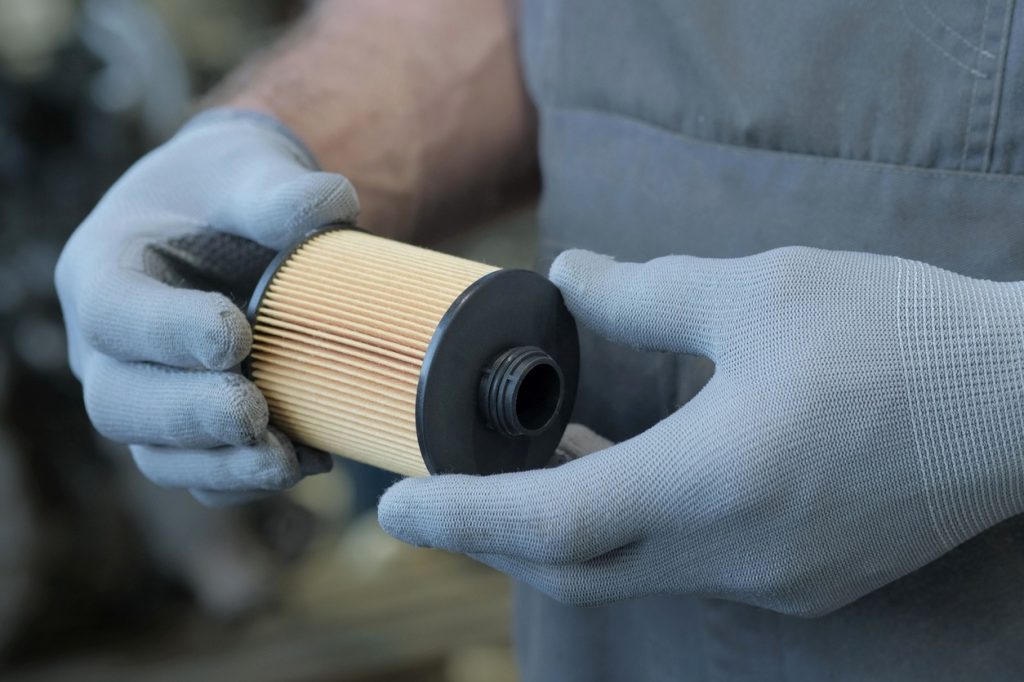
The engine air filter sits between the outside air and your engine. As air enters the engine, the filter traps contaminants before they can cause damage to internal components.
A clean air filter helps your vehicle:
- Maintain proper airflow to the engine
- Improve engine performance
- Support fuel efficiency
- Reduce engine wear
- Protect internal engine components
As the filter collects more debris, airflow becomes restricted, forcing the engine to work harder.
Signs You Need an Engine Air Filter Replacement
A dirty air filter often develops gradually, making it easy to overlook the warning signs. Fortunately, your vehicle may give you several clues that it’s time for an engine air filter replacement.
Common signs include:
- Reduced fuel economy
- Slower acceleration
- Rough engine idle
- Decreased engine performance
- Unusual engine sounds
- A dirty or clogged filter during inspection
- Check engine light in some vehicles
If you notice one or more of these symptoms, it may be time to have your air filter inspected.
How Often Should You Replace Your Engine Air Filter?
There is no single replacement schedule that fits every vehicle. Most manufacturers recommend inspecting the engine air filter during routine service and replacing it approximately every 15,000 to 30,000 miles.
However, replacement intervals depend on several factors, including:
- Your vehicle manufacturer’s recommendations
- Driving on dusty or gravel roads
- Frequent stop-and-go driving
- Local weather and environmental conditions
Drivers who regularly travel in dusty conditions may need more frequent engine air filter replacement than those who drive primarily on paved highways.
Checking your owner’s manual or asking your service technician is the best way to determine the right schedule for your vehicle.
Don’t Forget About the Cabin Air Filter
While many drivers know about engine air filters, the cabin air filter is just as important for comfort inside your vehicle.
The cabin air filter cleans the air entering your heating and air conditioning system. It helps remove dust, pollen, dirt, and other airborne particles before they reach the passenger compartment.
A dirty cabin air filter can cause:
- Reduced airflow from your vents
- Musty odors inside the cabin
- Increased dust inside the vehicle
- Reduced heating and cooling performance
Many vehicles require cabin air filter replacement every 15,000 to 30,000 miles, although driving conditions may affect replacement intervals.
Regular Vehicle Maintenance Makes a Difference
Replacing air filters is only one part of proper vehicle maintenance. Keeping up with routine service helps your vehicle perform more efficiently and may help prevent larger repairs later.
Regular maintenance also includes:
- Oil changes
- Tire rotations
- Brake inspections
- Fluid checks
- Battery testing
Following your maintenance schedule helps extend the life of your vehicle while improving reliability and performance.
Visit Bull Valley Ford for Air Filter Service
Replacing your engine air filter and cabin air filter is a simple service that can help improve your vehicle’s performance and comfort. Whether your vehicle needs a routine inspection or you’re noticing signs of reduced airflow, our service team is here to help.
At Bull Valley Ford, we make vehicle maintenance simple with experienced technicians and quality service you can trust.
Schedule your next service appointment online or visit Bull Valley Ford in Woodstock, IL. You can also call (815) 338-6680 today to keep your vehicle running at its best.
How to Keep Your Car Looking New Inside and Out
Keeping your vehicle looking its best takes more than an occasional wash. Regular cleaning and maintenance help preserve both the appearance and value of your car. Whether you plan to keep your vehicle for many years or trade it in someday, taking care of the interior and exterior can make a noticeable difference.
These car detailing tips will help you protect your investment and keep your vehicle looking newer for longer.
Prioritize Interior Car Care
The interior of your vehicle experiences daily wear from passengers, food, pets, and sunlight. Dirt and debris can build up quickly if you do not clean the cabin regularly.
Good interior car care starts with routine cleaning. Vacuum the carpets and seats often to remove dirt before it works its way into the fabric. Wipe down the dashboard, center console, and door panels with products designed for automotive surfaces.
You can also help preserve your interior by:
- Cleaning spills as soon as they happen
- Using floor mats to protect carpeting
- Conditioning leather seats when needed
- Keeping windows clean for better visibility
- Removing unnecessary clutter
Parking in the shade or using a windshield sunshade also helps reduce fading and cracking caused by prolonged sun exposure.
Protect Car Paint With Regular Exterior Care
Your vehicle’s exterior faces constant exposure to sunlight, rain, road salt, bird droppings, and road debris. Without regular care, these elements can dull the finish and damage the paint over time.
One of the best ways to protect car paint is by washing your vehicle regularly. Dirt and contaminants can scratch the finish if they remain on the surface for too long.
Other ways to protect your vehicle include:
- Applying quality wax several times a year
- Using paint sealants or ceramic coatings
- Washing off road salt during winter
- Removing bird droppings and tree sap quickly
- Parking in a garage or covered area whenever possible
These simple habits help preserve your vehicle’s finish and maintain its appearance.
Restore Your Vehicle With Professional Detailing
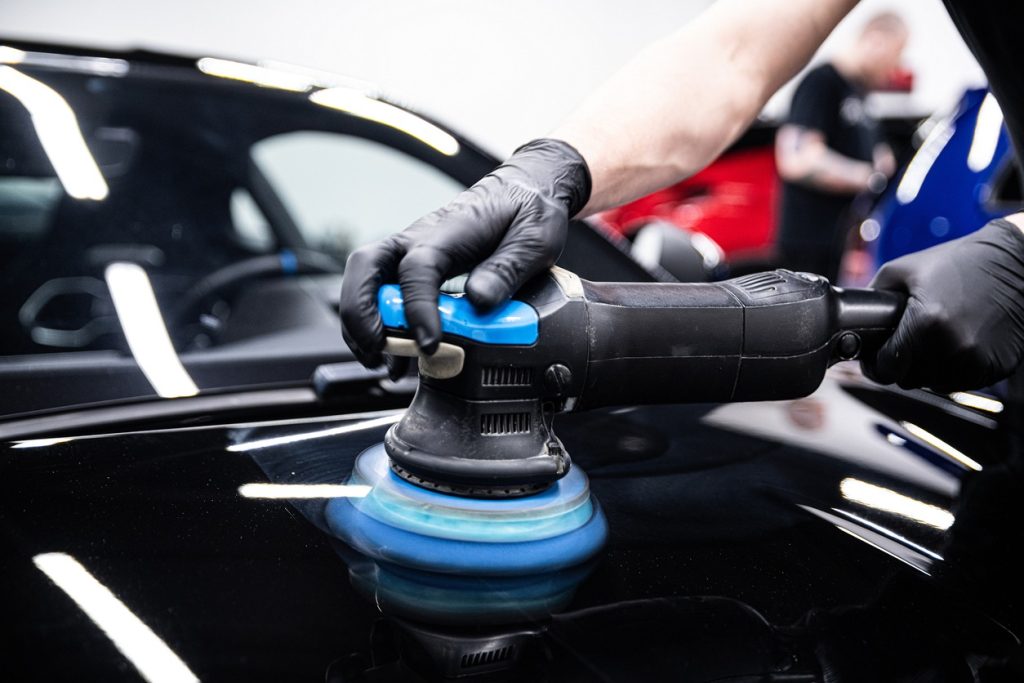
Even with regular maintenance, every vehicle eventually benefits from professional detailing. Detailers use specialized tools and products to clean areas that are difficult to reach during routine washing.
Professional detailing services often include:
- Deep interior cleaning
- Carpet and upholstery shampooing
- Paint polishing
- Headlight restoration
- Protective wax or sealant application
Combining professional detailing with regular maintenance can help your vehicle maintain a like-new appearance for years.
Don’t Forget Routine Maintenance
Appearance is important, but mechanical condition also affects your vehicle’s long-term value. Keeping up with routine maintenance helps your car perform as well as it looks.
Following your recommended maintenance schedule can help extend the life of your vehicle by keeping important systems in good condition.
Routine services include:
- Oil changes
- Tire rotations
- Brake inspections
- Fluid checks
- Battery testing
A vehicle that looks clean and runs well is often worth more when it comes time to trade it in.
Know When It’s Time to Upgrade
Even with excellent care, every vehicle eventually reaches a point where repairs become more frequent or expensive. When maintenance costs continue to increase, it may be time to consider replacing your vehicle.
If you’re facing major repairs or simply want newer technology and safety features, upgrading to a newer vehicle may offer better long-term value.
A dealership can help you evaluate your current vehicle, estimate its trade-in value, and explore financing options that fit your budget. Trading in your current vehicle can also reduce the cost of purchasing your next car, truck, or SUV.
Let Bull Valley Ford Help Keep Your Vehicle Looking Its Best
Following these car detailing tips and practicing regular interior car care can help your vehicle stay cleaner, more comfortable, and better protected throughout the year. Taking the time to protect car paint and maintain your vehicle can also help preserve its value for years to come.
Whether you need routine maintenance, want to keep your current vehicle in excellent condition, or are ready to upgrade to something new, Bull Valley Ford is here to help. Visit our dealership in Woodstock, IL, browse our inventory online, or call (815) 338-6680 today. Our team is ready to help you keep your vehicle looking and performing its best.
What to Do After a Collision: A Step-by-Step Guide
Being involved in a collision can be stressful and overwhelming. Whether it is a minor fender bender or a more serious accident, knowing what to do afterward can help protect your safety, your vehicle, and your finances.
The steps you take immediately after a collision can make a significant difference in the claims process and any necessary repairs. This guide explains what to do at the scene and how to handle the days and weeks that follow.

What to Do Immediately After a Collision
Your first priority after any accident is safety. If possible, move your vehicle to a safe location away from traffic. Turn on your hazard lights to alert other drivers.
Once you are in a safe location:
- Check yourself and passengers for injuries
- Call 911 if anyone is injured
- Contact local law enforcement if required
- Remain calm and avoid admitting fault
- Exchange information with the other driver
Important information to collect includes:
- Names and contact information
- Driver’s license numbers
- Insurance details
- Vehicle make, model, and license plate numbers
Taking photos of the accident scene, vehicle damage, road conditions, and traffic signs can also help document what happened.
Assess Vehicle Damage
Even if your vehicle appears drivable, it is important to assess the damage carefully. Some collision-related issues may not be immediately visible.
Common signs of damage include:
- Dented body panels
- Broken lights or mirrors
- Fluid leaks
- Steering problems
- Tire or wheel damage
A vehicle may look fine on the outside while hiding structural, suspension, or alignment issues underneath. This is why professional inspection is important after an accident.
Contact Your Insurance Company
After leaving the scene, notify your insurance company as soon as possible. Most insurers require prompt reporting of accidents.
When filing a claim, be prepared to provide:
- Photos from the accident scene
- Police report information if available
- Contact information for other drivers involved
- Details about vehicle damage
Your insurance company will explain the next steps and help determine what repairs may be covered under your policy.
Schedule a Post-Collision Repair Inspection
One of the most important steps after an accident is scheduling a post-collision repair inspection. Even minor impacts can affect vehicle systems that are not visible during a quick walk-around.
A professional inspection can identify:
- Frame or structural damage
- Suspension issues
- Alignment problems
- Hidden body damage
- Safety system concerns
Modern vehicles contain advanced driver-assist technologies and sensors that may require recalibration after a collision. A thorough inspection helps ensure your vehicle remains safe and performs properly.
Why Auto Collision Repair Matters
Delaying repairs can allow damage to worsen over time. Even small issues can lead to additional problems if left untreated.
Professional auto collision repair helps restore your vehicle’s appearance, safety, and performance. Proper repairs can also help preserve resale value and prevent future mechanical concerns.
Benefits of timely auto collision repair include:
- Restored structural integrity
- Improved vehicle safety
- Better driving performance
- Protection against rust and corrosion
- Preservation of vehicle value
Addressing damage quickly helps prevent small problems from becoming larger and more expensive repairs.
Monitor Your Vehicle in the Weeks Following
Even after repairs are completed, continue paying attention to how your vehicle performs. Some issues may not become noticeable until days or weeks later.
Watch for:
- Unusual noises
- Steering pull or vibration
- Warning lights on the dashboard
- Uneven tire wear
- Changes in braking performance
If you notice anything unusual, schedule a follow-up inspection to ensure everything is functioning correctly.
Let Bull Valley Ford Help After a Collision
Knowing what to do after an accident can help reduce stress and protect your vehicle. From documenting the scene to scheduling a post-collision repair inspection, every step plays an important role in restoring your vehicle properly.
At Bull Valley Ford, we understand how important your vehicle is to your daily life. Our team can help you maintain your vehicle and identify potential issues following an accident.
If you have questions about vehicle inspections, maintenance, or auto collision repair, contact Bull Valley Ford in Woodstock, IL. Call (815) 338-6680 today to learn more or schedule a service appointment.
How Traffic Conditions Affect Your Vehicle Over Time
Most drivers expect normal wear and tear from daily driving, but traffic can accelerate that process. If you regularly commute through congested roads, stop-and-go traffic, or crowded city streets, your vehicle may experience more stress than you realize.
Heavy traffic affects everything from fuel efficiency to brake components. Understanding these effects can help you stay ahead of maintenance and avoid costly repairs down the road.
Let’s take a closer look at how different traffic conditions impact your vehicle over time.
Rush Hour Traffic and Daily Commuting
Rush hour traffic is a fact of life for many drivers. Even if vehicles continue moving, frequent slowing and accelerating can place additional strain on several vehicle systems.
During rush hour driving, your vehicle may experience:
- Increased brake wear
- More frequent transmission shifting
- Greater engine strain
- Reduced fuel efficiency
Many drivers notice increased fuel consumption in traffic jam situations because engines continue running while vehicles spend significant time moving slowly or sitting at red lights.
While occasional rush hour driving is not a major concern, daily exposure can increase long-term maintenance needs.
Stop-and-Go Traffic Conditions
A stop-and-start car driving pattern can be especially demanding on your vehicle. Constant acceleration and braking force many systems to work harder than they would during steady highway travel.
Common effects of stop-and-go traffic include:
- Faster brake pad wear
- Increased transmission stress
- Greater engine heat buildup
- Higher fuel consumption
Brakes often suffer the most in these conditions. Instead of maintaining a consistent speed, drivers repeatedly slow down and accelerate, causing brake components to wear more quickly.
Vehicles that spend significant time in stop-and-go traffic may also require more frequent maintenance intervals.
Major City Congestion
Drivers who regularly travel through heavily populated urban areas often experience some of the most challenging traffic conditions.
Major city congestion combines several stress factors:
- Long idle times
- Frequent braking and acceleration
- Limited airflow around the engine
- Increased exposure to road debris and potholes
These conditions can affect:
- Cooling system performance
- Engine efficiency
- Tire wear
- Suspension components
The combination of constant movement and frequent stopping creates an environment where many vehicle systems work harder than normal.
Fuel Consumption in Traffic Jams
One of the most noticeable effects of heavy traffic is reduced fuel economy. Many drivers are surprised by how much fuel consumption in traffic jam conditions can increase.
When your vehicle spends time idling or accelerating repeatedly, it uses fuel without covering much distance. This lowers overall efficiency compared to highway driving, where vehicles maintain a steady speed.
Factors that contribute to increased fuel consumption include:
- Extended idle time
- Frequent acceleration
- Air conditioning use during congestion
- Engine operating at lower efficiency levels
While modern vehicles are more efficient than ever, traffic remains one of the biggest contributors to reduced fuel economy.
Why Regular Vehicle Inspections Matter
Drivers who spend significant time in traffic should pay close attention to routine maintenance. Regular inspections help identify wear before it develops into larger problems.
A professional vehicle inspection can evaluate:
- Brake condition
- Tire wear
- Battery performance
- Fluid levels
- Suspension components
Because traffic places additional stress on many systems, scheduling a vehicle inspection can help catch issues early and keep your vehicle operating safely.
Tips for Reducing Traffic-Related Wear
While you cannot always avoid traffic, you can take steps to reduce its impact on your vehicle.
Helpful habits include:
- Leaving extra following distance to reduce hard braking
- Avoiding aggressive acceleration
- Following recommended maintenance schedules
- Monitoring tire pressure regularly
- Scheduling inspections when unusual symptoms appear
These simple practices can help minimize wear and improve long-term reliability.
Keep Your Vehicle Ready for Any Commute
Traffic is unavoidable for many drivers, but understanding how it affects your vehicle can help you stay ahead of maintenance needs. Whether you deal with daily rush hour traffic, a constant stop-and-start commute, or heavy urban congestion, routine care makes a difference.
At Bull Valley Ford, our service team can help keep your vehicle performing at its best. From brake inspections to routine maintenance and comprehensive vehicle inspection services, we are here to help.
Schedule your next service appointment with Bull Valley Ford in Woodstock, IL, or call (815) 338-6680 today to keep your vehicle ready for whatever traffic conditions lie ahead.
How to Cool Off Your Car During Summer Heat
Getting into a hot car during the summer can feel unbearable. Even on a mildly warm day, the inside of a vehicle can heat up quickly when left in direct sunlight. High cabin temperatures can make driving uncomfortable and may even damage parts of your interior over time.
Fortunately, there are ways to cool your vehicle down quickly and reduce heat buildup throughout the day. This guide explains how the summer heat affects your vehicle and the fastest way to cool off your car’s interior before you hit the road.

How Summer Heat Makes Your Car Hot So Quickly
Many drivers underestimate how fast a vehicle can heat up. Even when temperatures outside seem manageable, the inside of a parked vehicle can become much hotter within minutes.
Sunlight enters through the windows and traps heat inside the cabin. Dark interior surfaces like dashboards and seats absorb heat quickly, raising interior temperatures even more.
During the summer heat, the inside of a car can reach dangerous temperatures surprisingly fast. Steering wheels, seat belts, and leather seats may become too hot to touch safely.
Excessive heat can also affect your vehicle by:
- Fading interior materials
- Cracking dashboards and trim
- Weakening battery performance
- Increasing strain on your air conditioning system
Protecting your vehicle from heat buildup helps improve comfort and preserve the interior over time.
The Fastest Way to Cool Off Car Interiors
When you first enter a hot vehicle, blasting the air conditioning immediately may not cool the cabin as quickly as you expect. Instead, there are a few simple steps that help remove trapped heat faster.
The fastest way to cool off car interiors includes:
- Open all doors or windows for a minute to let trapped heat escape
- Start the engine and turn the air conditioning on high
- Use the fresh air setting briefly before switching to recirculation mode
- Drive with windows cracked slightly for the first minute or two
These steps help push hot air out before the AC works to cool the interior. Once cooler air begins circulating, switching to recirculation mode helps maintain lower cabin temperatures more efficiently.
Ways to Prevent Your Car From Heating Up
Preventing heat buildup can make a major difference during the summer months. A few simple habits help keep your vehicle cooler while parked.
Helpful ways to reduce heat inside your vehicle include:
- Parking in shaded areas whenever possible
- Using a windshield sunshade
- Cracking windows slightly to improve airflow
- Using seat covers to reduce heat absorption
- Applying window tint where legal
Lighter-colored interiors and reflective accessories can also help limit heat buildup during the hottest parts of the day.
Protecting Your Vehicle During Summer Heat
Extreme temperatures can place additional stress on your vehicle’s systems. During the summer heat, it is important to stay on top of maintenance so your car performs properly.
Key summer maintenance items include:
- Checking coolant levels
- Inspecting your battery
- Testing air conditioning performance
- Monitoring tire pressure
- Replacing worn cabin air filters
A properly maintained cooling system helps prevent overheating and keeps your air conditioning working effectively when temperatures rise.
Keep Your Vehicle Ready for Summer at Bull Valley Ford
A hot car can make summer driving uncomfortable, but the right habits and maintenance can help you stay cool on the road. From improving airflow to keeping your AC system in top condition, small steps can make a big difference.
At Bull Valley Ford, our service team can help prepare your vehicle for the warmer months. Whether you need an AC inspection, battery check, or routine maintenance, we are here to help.
Schedule your service appointment online or visit Bull Valley Ford in Woodstock, IL, today. You can also call (815) 338-6680 to speak with our team and keep your vehicle ready for the summer season.
How to Fix Peeling Paint on Your Car
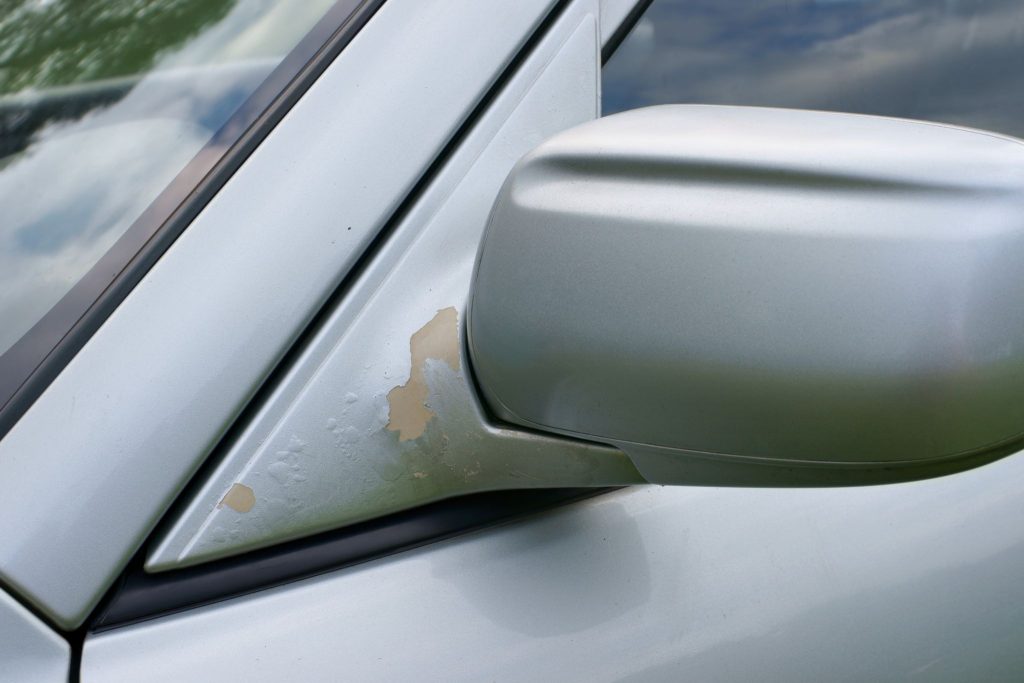
Peeling paint can make even a well-maintained vehicle look worn out. Once paint starts lifting away from the surface, the problem often spreads if left untreated. Many drivers wonder how to fix peeling paint on car surfaces before the damage gets worse.
The good news is that early action can help protect your vehicle and improve its appearance. Understanding what causes peeling paint and knowing your repair options can help you make the right decision for your vehicle.
What Causes Car Paint to Peel?
Vehicle paint protects the metal underneath while giving your car a clean appearance. Over time, however, several factors can weaken the paint and clear coat.
One of the most common causes of peeling paint is prolonged sun exposure. UV rays gradually break down the clear coat, especially when a vehicle sits outside often.
Other common causes include:
- Extreme weather and temperature changes
- Poor-quality previous paint work
- Road salt and debris
- Lack of regular washing and waxing
- Moisture trapped under damaged paint
Once the clear coat begins to fail, the paint underneath loses protection and may start peeling away from the surface.
Why You Should Fix Peeling Paint Quickly
Ignoring peeling paint can lead to more serious problems over time. Once exposed, the metal underneath becomes more vulnerable to moisture and corrosion.
Small paint issues can eventually turn into:
- Rust formation
- Larger peeling sections
- Fading and discoloration
- Reduced resale value
Addressing the issue early helps limit damage and may reduce overall car paint repair costs.
How to Fix Peeling Paint on Car Surfaces
The best repair method depends on how severe the peeling is. Small areas may require minor touch-up work, while larger damaged sections often need professional refinishing.
For smaller peeling areas, repairs may include:
- Cleaning the damaged area thoroughly
- Sanding away loose paint and rough edges
- Applying primer to protect the surface
- Repainting the area with matching paint
- Adding a clear coat for protection
Larger areas usually require professional auto paint repair to ensure smooth blending and long-lasting results.
When Professional Paint Repair Makes Sense
While small touch-ups may help temporarily, professional repairs often provide better long-term results. Paint technicians use specialized tools and color-matching systems to restore the finish properly.
Professional repairs can help:
- Match factory paint colors accurately
- Prevent uneven finishes
- Protect against future peeling
- Restore the appearance of the vehicle
If peeling affects multiple panels or exposes bare metal, professional repair is usually the best option.
How to Prevent Paint From Peeling Again
After repairing peeling paint, proper maintenance can help protect the finish and extend the life of your vehicle’s exterior.
Helpful prevention tips include:
- Washing your vehicle regularly
- Applying wax to protect the clear coat
- Parking in shaded or covered areas
- Removing bird droppings and road salt quickly
- Repairing chips and scratches early
Protecting your paint helps your vehicle maintain its appearance and value over time.
Get Help With Car Paint Repair at Bull Valley Ford
If you are dealing with peeling paint on your car and wondering how to fix it, Bull Valley Ford is here to help. Our team can inspect the damage and help you determine the best repair option for your vehicle.
Whether you need advice on protecting your paint or professional car paint repair, we are committed to helping drivers keep their vehicles looking their best.
Visit Bull Valley Ford in Woodstock or call (815) 338-6680 to learn more about vehicle care and maintenance services today.
What to Look for in Ford Work Trucks
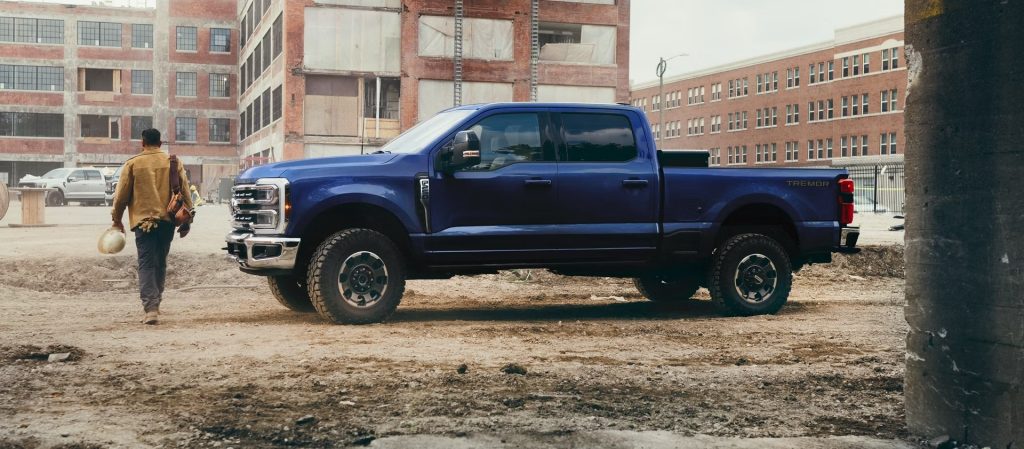
Choosing the right work trucks is an important decision for any driver or business. A good truck should handle tough jobs, stay reliable over time, and keep you comfortable throughout the day. Whether you use your truck for construction, hauling, or daily job site travel, the right features can make a big difference.
If you are considering Ford work trucks, it helps to understand what to look for before making your choice. This guide breaks down the most important factors so you can find a truck that fits your needs.
Capability and Performance
Capability is one of the most important things to consider when shopping for work trucks. Your truck should handle the demands of your job without struggle.
Look at towing and payload capacity first. If you haul trailers, equipment, or materials, you need a truck that can manage the weight safely. Engine options also play a key role. A strong engine provides the power needed for heavy loads and long workdays.
Key capability features to consider:
- High towing capacity for trailers and equipment
- Strong payload ratings for tools and materials
- Durable suspension for rough job sites
- Available four-wheel drive for tough conditions
A capable truck helps you work more efficiently and reduces strain on your vehicle over time.
Bed Utility and Storage
The truck bed is where much of your work happens. A well-designed bed makes loading, unloading, and organizing easier.
Modern Ford work trucks offer smart bed features that improve usability. These features help you keep tools secure and materials in place while you drive.
Look for features such as:
- Multiple tie-down points for securing cargo
- Bed liners to protect against wear and damage
- Built-in outlets for tools and equipment
- Tailgate designs that make loading easier
- Storage solutions for smaller items
A functional bed setup saves time and helps you stay organized on the job.
Technology That Supports Your Workday
Technology plays a bigger role in today’s work trucks than ever before. The right features can improve productivity, safety, and convenience.
Ford work trucks often include infotainment systems that connect to your phone. This allows you to access navigation, calls, and job information without distraction.
Helpful technology features include:
- Touchscreen infotainment systems
- Apple CarPlay® and Android Auto™
- Navigation for job site directions
- Backup cameras for easier maneuvering
- Driver-assist features for added safety
These tools help you stay connected and aware while on the road or at the job site.
Interior Comfort and Amenities
Comfort matters when you spend long hours behind the wheel. A good work truck should support you throughout the day, not wear you down.
Modern trucks offer interiors that combine durability with comfort. Seats provide support for long drives, and climate controls help maintain a comfortable cabin in any season.
Interior features to look for:
- Supportive seating with durable materials
- Climate control systems for year-round comfort
- Easy-to-clean surfaces
- Ample legroom and headroom
- Convenient storage inside the cabin
A comfortable interior helps reduce fatigue and keeps you focused on your work.
Reliability and Maintenance
Reliability is critical when choosing work trucks. You need a vehicle that performs consistently and handles daily use without frequent issues.
Ford work trucks are known for their durability. Regular maintenance also plays a key role in keeping your truck running strong.
Consider these factors:
- Proven engine performance
- Availability of service and parts
- Routine maintenance needs
- Warranty coverage
Choosing a reliable truck helps reduce downtime and keeps your work moving forward.
Choose the Right Work Truck at Bull Valley Ford
Finding the right work trucks starts with understanding your needs. Whether you need strong towing, advanced technology, or everyday comfort, there is a truck that fits your job.
At Bull Valley Ford, we offer a wide selection of Ford work trucks built to handle tough tasks. Our team can help you compare options and choose the right model for your workload.
Browse our inventory online or visit our dealership in Woodstock, IL, to get started. You can also call (815) 338-6680 to speak with our team.
Let Bull Valley Ford help you find a work truck that works as hard as you do.
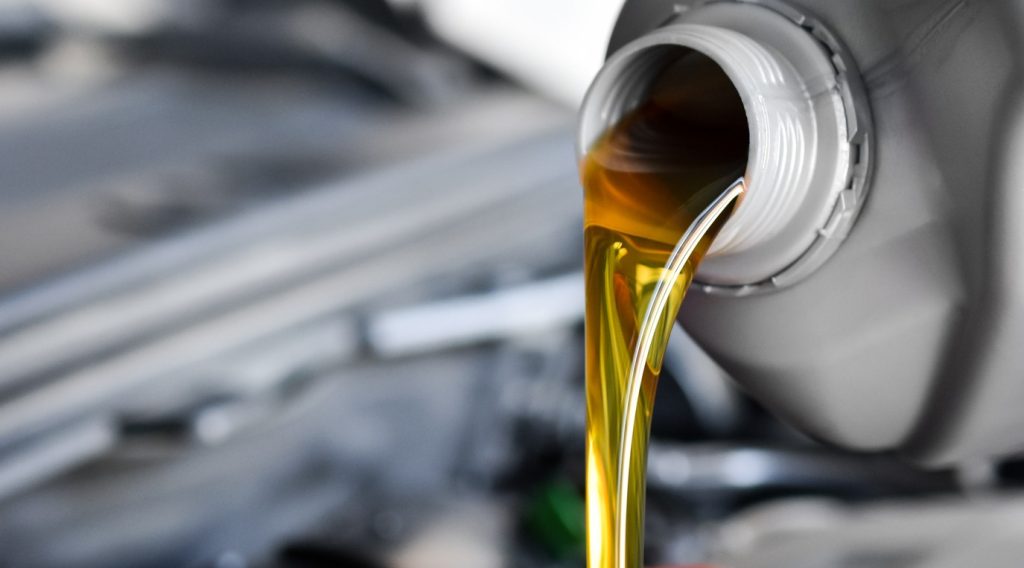
When it comes to maintaining your vehicle, choosing the right oil matters. Many drivers ask about synthetic and conventional oil and which option works best for their engine. Both types of oil serve the same purpose, but they perform differently under certain conditions.
Understanding how each type works can help you make the right choice for your vehicle and driving habits.
What Is Conventional Oil?
Conventional oil is refined from crude oil and has been used in engines for many years. It provides basic lubrication and protection for your engine’s moving parts.
This type of oil works well for many older vehicles and drivers with simple driving habits. It helps reduce friction, manage heat, and keep the engine running smoothly.
However, conventional oil tends to break down faster over time. This means it usually requires more frequent oil changes.
What Is Synthetic Oil?
Synthetic oil is engineered to provide more advanced protection. It goes through a more refined process that removes impurities and creates a more consistent formula.
Because of this, synthetic oil performs better in extreme temperatures and demanding driving conditions. Many newer vehicles recommend or require a synthetic oil change to maintain proper performance.
Synthetic oil offers:
- Better protection against engine wear
- Improved performance in hot and cold weather
- Longer-lasting lubrication
- Cleaner engine operation
These benefits make synthetic oil a popular choice for modern drivers.
Key Differences Between Synthetic and Conventional Oil
When comparing synthetic oil vs conventional oil, the main differences come down to performance, longevity, and cost.
Here are the key distinctions:
- Durability: Synthetic oil lasts longer and breaks down more slowly
- Performance: Synthetic oil handles extreme temperatures better
- Cleanliness: Synthetic oil helps keep engines cleaner
- Cost: Conventional oil costs less upfront, but requires more frequent changes
While conventional oil may save money at first, synthetic oil can provide more long-term value due to its durability.
Why Synthetic Oil Is So Popular Today
More drivers are choosing synthetic oil because modern engines demand higher performance. Today’s vehicles often run at higher temperatures and tighter tolerances, which require better lubrication.
A synthetic oil change helps protect engines under these conditions. It also allows for longer intervals between oil changes, which saves time and reduces maintenance visits.
In addition, synthetic oil improves fuel efficiency in some vehicles. This makes it a practical option for both daily drivers and those who travel long distances.
When Should You Choose Conventional Oil?
Conventional oil can still be a good choice in certain situations. It works well for:
- Older vehicles designed for conventional oil
- Drivers with low annual mileage
- Simple driving conditions without heavy stress on the engine
- Budget-focused maintenance plans
If your vehicle does not require synthetic oil, conventional oil may meet your needs at a lower cost.
When Should You Choose Synthetic Oil?
Synthetic oil is often the better choice for modern vehicles and demanding driving conditions.
You may benefit from synthetic oil if you:
- Drive a newer vehicle
- Experience extreme temperatures
- Tow or carry heavy loads
- Spend a lot of time in stop-and-go traffic
- Want longer intervals between oil changes
A synthetic oil change helps protect your engine and maintain performance over time.
Let Bull Valley Ford Help With Your Oil Change
Choosing between synthetic oil and conventional oil does not have to be complicated. The best option depends on your vehicle and how you drive.
At Bull Valley Ford, our service team can help you decide what works best for your engine. We offer fast, professional oil changes using quality products designed to keep your vehicle running strong.
Schedule your next service appointment online or visit our dealership in Woodstock, IL. You can also call (815) 338-6680 to speak with our team.
Let Bull Valley Ford help you stay on top of your maintenance and keep your engine performing at its best.
Shopping for used trucks for sale is a smart way to get a capable, reliable vehicle at a lower price. Whether you’re buying for work, recreation, or daily driving, knowing what the best used truck to buy comes down to looking at the right features and asking the right questions. Below, we’ll outline what makes used trucks and other models stand out and what you should check before you buy.
Key Truck Features That Add Value
When looking at used trucks for sale, some features stand out as especially valuable. These are the elements that make a used truck worth your investment:
- Towing and Payload Capacity: Make sure the truck’s tow rating and payload match your needs. Trucks with factory-installed towing packages are often more desirable.
- 4WD/AWD Systems: If you drive in rough terrain or bad weather, a used truck with four-wheel or all-wheel drive gives you better grip and holds its value better.
- Bed Condition and Accessories: Check the bed for damage, rust, and wear. Trucks with spray-in bed liners, bed covers, or tie-down systems offer added utility.
- Cab and Seating Options: Think about whether a regular, extended, or crew cab fits your passengers and cargo needs best.
- Engine Options: Many used trucks come with powerful yet efficient engines. Models with V8 or turbocharged engines often hold their value better and perform well under heavy use.
- Technology and Safety: Even in older models, features like backup cameras, parking sensors, and touchscreen systems are very helpful.
These factors help narrow down the best used truck to buy for your particular needs.
What to Inspect on Any Used Vehicle
No matter what truck you’re looking at, it’s important to do a thorough inspection before you buy:
- Check the Maintenance Records: Trucks that have been regularly serviced are more likely to last longer.
- Inspect the Frame and Undercarriage: Check the truck for rust, corrosion, or damage, especially if it spent time in salty or wet areas.
- Test the Suspension and Brakes: Drive the truck to listen for unusual noises and feel for smooth braking and stable handling.
- Look at the Tires: Uneven wear can indicate alignment or suspension issues.
- Verify Mileage Against Condition: High mileage isn’t always a problem if the truck was cared for, but make sure the interior, engine, and body condition match the mileage.
Why Choose Used Ford Trucks?
People trust used Ford trucks because they’re durable, perform well, and have parts that are easy to find. When well cared for, trucks like the Ford F-150, Ranger, and Super Duty can last hundreds of thousands of miles and are a smart buy used.
Find the Best Used Trucks for Sale at Bull Valley Ford
If you’re ready to find the best fit for your needs, stop by Bull Valley Ford. We’ve got plenty of used trucks for sale, including dependable used Ford trucks, all thoroughly checked for quality.
Our team is here to help you figure out what the best used truck to buy for your budget and lifestyle. Visit our dealership today to test drive your next truck and drive away with confidence.
The 2025 Ford F-150 offers unmatched versatility, letting you build the perfect truck for your work or lifestyle. One of the most important decisions when choosing your F-150 is picking the right cab configuration. Ford gives you three F-150 cab options, each with its own strengths and unique features. Understanding the F-150 cab sizes and how they pair with different F-150 bed lengths and F-150 bed capacities can help you find the ideal setup for your needs.
Regular Cab: Compact and Work-Ready
The Regular Cab is the most straightforward of the F-150 cab options, designed with a focus on utility and practicality.
- Seats: Up to 3 passengers
- Doors: 2 full-size doors
- Bed Lengths: 6.5-foot or 8-foot
- Best For: Fleet vehicles, job sites, and drivers who prioritize maximum F-150 bed capacity
The Regular Cab gives you a spacious bed and a compact cab, making it easy to maneuver while maximizing F-150 bed lengths. It’s ideal for hauling materials or equipment and offers the best payload ratings among the cab configurations.
SuperCab: Versatile and Affordable
For drivers who occasionally need extra seating without sacrificing too much bed space, the SuperCab strikes a great balance.
- Seats: Up to 6 passengers
- Doors: 2 full-size front doors and 2 rear-hinged half-doors
- Bed Lengths: 6.5-foot or 8-foot
- Best For: Drivers who want passenger space and a large F-150 bed capacity at a lower cost
The SuperCab provides added rear seating with easy access, thanks to the rear-hinged doors that open wide. This configuration is great for drivers who need to transport passengers occasionally but still want long F-150 bed lengths for hauling.
SuperCrew: Spacious and Comfortable
The SuperCrew is the largest of the F-150 cab sizes, designed with passenger comfort in mind.
- Seats: Up to 6 passengers
- Doors: 4 full-size, front-hinged doors
- Bed Lengths: 5.5-foot or 6.5-foot
- Best For: Families, road trips, and anyone who needs maximum rear-seat room
With full-size rear doors and a roomy back seat, the SuperCrew makes it easy for passengers to get in and out. While it comes with a shorter bed compared to other cabs, it still offers a respectable F-150 bed capacity, making it a favorite for drivers who prioritize both comfort and utility.
Choosing the Right Cab and Bed Combo
Each cab style pairs with different F-150 bed lengths, letting you customize your truck for your specific needs:
| Cab Size | Available Bed Lengths |
| Regular Cab | 6.5-foot, 8-foot |
| SuperCab | 6.5-foot, 8-foot |
| SuperCrew | 5.5-foot, 6.5-foot |
If you need maximum hauling space, the Regular Cab with an 8-foot bed gives you the highest F-150 bed capacity. If you want a balance of passenger room and bed size, the SuperCab is a great choice. And if comfort is your top priority, the SuperCrew with its spacious interior delivers.
Explore F-150 Cab Options at Bull Valley Ford
The 2025 Ford F-150 continues to offer the flexibility and capability drivers expect from America’s favorite truck. Whether you need the largest F-150 bed capacity, roomy F-150 cab options, or versatile F-150 bed lengths, there’s a configuration that’s perfect for you.
Visit Bull Valley Ford in Woodstock, IL, to explore the full lineup of 2025 Ford F-150 cab sizes in person. Our team is here to help you find the right combination of comfort, capability, and utility for your lifestyle.
Connect with us


