

Blog

What Makes the Best Family Vehicle?

family in car

July 10th, 2025 by bill@zoomdigital.com

Share this Post: Share on Facebook Share on Twitter

When it comes to choosing a vehicle for your family, safety, space, and reliability are key. Whether you’re commuting to school, embarking on a road trip, or managing daily errands, having the right vehicle can significantly enhance the experience. This guide explains the key features to look for in a good family vehicle and helps you choose one that fits your needs.

Size and Seating: Room for Everyone

One of the most important things to consider when shopping for the best family vehicle is space. Families need plenty of seating, especially if you have multiple children or often carpool. Vehicles with third-row seating, like SUVs or minivans, can comfortably fit larger families.

Look for:

  • Flexible seating configurations 
  • Easy access to rear seats 
  • Ample legroom in all rows 
  • Spacious cargo areas for strollers, groceries, and sports gear 

A good family vehicle should allow for quick adjustments between passengers and cargo, making daily routines more manageable.

Safety First: What to Look For

When it comes to family driving, nothing matters more than safety. The safest family vehicle will include advanced driver-assistance features and high crash-test ratings. These safety systems can help you prevent accidents and protect your loved ones if one occurs.

Top safety features include:

  • Automatic emergency braking 
  • Blind-spot monitoring 
  • Lane-keeping assist 
  • Adaptive cruise control 
  • Rearview and 360-degree cameras 

Also, check for vehicles that have top ratings from the National Highway Traffic Safety Administration (NHTSA) or Insurance Institute for Highway Safety (IIHS).

Entertainment and Connectivity

Extended drives with children can present unique challenges. A family-friendly vehicle should have features that keep everyone comfortable and entertained. Rear-seat entertainment systems, USB ports in all rows, and smartphone integration go a long way toward keeping the peace.

Convenience features to consider:

  • Apple CarPlay® and Android Auto™ 
  • Wi-Fi hotspot capability 
  • Rear-seat entertainment screens 
  • Voice-activated controls 

These additions help keep drivers focused and passengers happy.

Storage and Practical Features

From diaper bags to backpacks and sports equipment, families carry a lot. Good family vehicles include smart storage options to help keep everything organized and within reach.

Helpful storage features:

  • Deep center consoles 
  • Under-floor storage areas 
  • Roof rails for extra cargo 
  • Power liftgates for easy loading 

These small conveniences add up to a more relaxed, efficient driving experience.

Fuel Efficiency and Cost of Ownership

A great family car should also be affordable to run. Whether you choose gas, hybrid, or electric, find a vehicle that gives you good fuel mileage or range and still drives well. Low maintenance costs and strong reliability ratings are also important to consider.

Final Thoughts: Finding the Right Fit

Choosing the best family vehicle means finding the right balance of safety, space, technology, and value. Whether you want the safest family vehicle or a flexible SUV with plenty of space, there are many great choices available today.

Take the time to compare features, test drive a few models, and think about what matters most to your family’s needs. The right vehicle makes daily drives and weekend trips easier and more enjoyable.

If you need help finding a good family vehicle, reach out to our team or visit our dealership to see our top choices in person.

Recommended Posts

A windshield with a wiper that is streaking.

How to Fix Streaky Windshield Wipers | Bull Valley Ford

What to Do About Streaky Windshield Wipers Clear visibility matters every time you drive. Rain, snow, road spray, and dirt can quickly make the windshield difficult to see through. When streaky windshield wipers leave lines or smears behind, they can reduce visibility and make driving less comfortable. The problem does not always mean you need new blades right away. Dirt, dust, or residue may prevent the rubber from making even contact with the glass. Cleaning the blades may solve the issue, but worn or damaged blades usually need replacement. Here is how to inspect, clean, and replace your windshield wipers. Clean the Wiper Blades First Before replacing the blades, check them for dirt or buildup. Dust, road grime, pollen, and car wash residue can collect along the rubber edge. This debris can cause the blades to skip or leave streaks. Lift each wiper arm away from the windshield. Wipe the rubber edge with a clean cloth and warm, soapy water. You can also use rubbing alcohol on a cloth to remove stubborn residue. Run the cloth along the full length of each blade. Continue cleaning until the cloth no longer picks up dirt. Then wipe the windshield with automotive glass cleaner. After cleaning, test the wipers with washer fluid. If they move smoothly and clear the glass evenly, you may not need to replace them yet. Check for Signs of Damage Cleaning will not fix rubber that has cracked, split, hardened, or changed shape. Inspect the blades closely after removing any dirt. You may need new wiper blades if you notice: Cracks or cuts in the rubber Missing pieces along the blade edge Bent or damaged frames Chattering across the windshield Areas the blades fail to clear Loud squeaking during use Sunlight, temperature changes, ice, and regular use can wear down the rubber. Blades may also lose flexibility over time, even when they still look intact. Replace the blades if cleaning does not improve performance or if you find visible damage. When Should You Replace Wiper Blades? Many drivers replace windshield wipers every six to twelve months. However, weather and driving conditions can affect how long they last. Frequent sun exposure can dry out the rubber. Winter ice can tear the blade edge or place pressure on the frame. Heavy rain and regular highway driving may also shorten blade life. You should check your wipers during routine vehicle maintenance. Replace them as soon as they stop clearing the windshield properly. Waiting can make it harder to see during bad weather. How to Replace Windshield Wipers Learning how to replace wiper blades can help you complete a simple maintenance task at home. The exact connection may vary by vehicle, so check your owner's manual before starting. Follow these general steps: Buy blades that match your vehicle's required size. Lift the wiper arm away from the windshield. Turn the old blade so you can access the attachment point. Press the release tab or open the locking clip. Slide the old blade off the wiper arm. Attach the new blade and listen for it to click into place. Lower the arm gently onto the windshield. Repeat the process on the other side. Place a folded towel on the windshield while working. This can help protect the glass if the metal wiper arm falls unexpectedly. Test the new blades with washer fluid after installation. Confirm that they move freely and clear the windshield without leaving streaks. Do Not Forget the Rear Wiper SUVs, crossovers, and hatchbacks often have a rear windshield wiper. Drivers sometimes overlook this blade until visibility becomes poor. Inspect and clean the rear blade when you check the front wipers. Replace it if the rubber feels hard, looks damaged, or leaves part of the rear glass covered. Keep Your View Clear Streaking does not always mean your windshield wipers have reached the end of their service life. Cleaning the blades and windshield may remove the dirt causing the problem. However, cracked, bent, or hardened blades need replacement. Bull Valley Ford can help you find the correct wiper blades for your vehicle and keep up with other important maintenance needs. Visit our service department in Woodstock, IL, schedule an appointment online, or call (815) 338-6680 today. What to Do About Streaky Windshield Wipers Clear visibility matters every time you drive. Rain, snow, road spray, and dirt can quickly make the windshield difficult to see through. When streaky windshield wipers leave lines or smears behind, they can reduce visibility and make driving less comfortable. The problem does not always mean you need new blades right away. Dirt, dust, or residue may prevent the rubber from making even contact with the glass. Cleaning the blades may solve the issue, but worn or damaged blades usually need replacement. Here is how to inspect, clean, and replace your windshield wipers. Clean the Wiper Blades First Before replacing the blades, check them for dirt or buildup. Dust, road grime, pollen, and car wash residue can collect along the rubber edge. This debris can cause the blades to skip or leave streaks. Lift each wiper arm away from the windshield. Wipe the rubber edge with a clean cloth and warm, soapy water. You can also use rubbing alcohol on a cloth to remove stubborn residue. Run the cloth along the full length of each blade. Continue cleaning until the cloth no longer picks up dirt. Then wipe the windshield with automotive glass cleaner. After cleaning, test the wipers with washer fluid. If they move smoothly and clear the glass evenly, you may not need to replace them yet. Check for Signs of Damage Cleaning will not fix rubber that has cracked, split, hardened, or changed shape. Inspect the blades closely after removing any dirt. You may need new wiper blades if you notice: Cracks or cuts in the rubber Missing pieces along the blade edge Bent or damaged frames Chattering across the windshield Areas the blades fail to clear Loud squeaking during use Sunlight, temperature changes, ice, and regular use can wear down the rubber. Blades may also lose flexibility over time, even when they still look intact. Replace the blades if cleaning does not improve performance or if you find visible damage. When Should You Replace Wiper Blades? Many drivers replace windshield wipers every six to twelve months. However, weather and driving conditions can affect how long they last. Frequent sun exposure can dry out the rubber. Winter ice can tear the blade edge or place pressure on the frame. Heavy rain and regular highway driving may also shorten blade life. You should check your wipers during routine vehicle maintenance. Replace them as soon as they stop clearing the windshield properly. Waiting can make it harder to see during bad weather. How to Replace Windshield Wipers Learning how to replace wiper blades can help you complete a simple maintenance task at home. The exact connection may vary by vehicle, so check your owner's manual before starting. Follow these general steps: Buy blades that match your vehicle's required size. Lift the wiper arm away from the windshield. Turn the old blade so you can access the attachment point. Press the release tab or open the locking clip. Slide the old blade off the wiper arm. Attach the new blade and listen for it to click into place. Lower the arm gently onto the windshield. Repeat the process on the other side. Place a folded towel on the windshield while working. This can help protect the glass if the metal wiper arm falls unexpectedly. Test the new blades with washer fluid after installation. Confirm that they move freely and clear the windshield without leaving streaks. Do Not Forget the Rear Wiper SUVs, crossovers, and hatchbacks often have a rear windshield wiper. Drivers sometimes overlook this blade until visibility becomes poor. Inspect and clean the rear blade when you check the front wipers. Replace it if the rubber feels hard, looks damaged, or leaves part of the rear glass covered. Keep Your View Clear Streaking does not always mean your windshield wipers have reached the end of their service life. Cleaning the blades and windshield may remove the dirt causing the problem. However, cracked, bent, or hardened blades need replacement. Bull Valley Ford can help you find the correct wiper blades for your vehicle and keep up with other important maintenance needs. Visit our service department in Woodstock, IL, schedule an appointment online, or call (815) 338-6680 today.

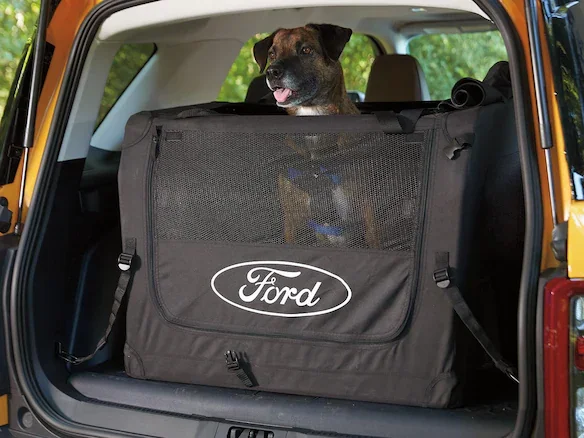
A dog in a Ford dog kennel.

Best Ford Accessories for Everyday Drivers | Bull Valley Ford

Best Ford Accessories for Everyday Drivers The right vehicle accessories can make driving more convenient, comfortable, and organized. They can also help protect your Ford from daily wear and prepare you for unexpected situations on the road. Ford offers products for cars, trucks, and SUVs. Available options include interior protection, cargo storage, safety equipment, truck bed products, electronics, and outdoor gear. Accessory availability varies by model and model year, so drivers should always confirm compatibility before making a purchase. Here are some of the most useful Ford accessories to consider for your vehicle. Protect Valuables With a Vehicle Safe An in-vehicle safe provides a secure place for small valuables. Many designs fit inside a factory center console or beneath the cargo floor, which helps keep important items hidden from view. Depending on the model, available safes may include steel construction, a combination lock, and a design that uses existing storage space. Ford currently lists vehicle-safe options for models such as the F-150, Super Duty, Bronco, Maverick, Escape, and Explorer. A safe can provide useful storage for drivers who travel often, visit job sites, or spend long hours away from home. Drivers should still avoid leaving highly valuable items inside an unattended vehicle. Keep Gear Organized Cargo organizers help prevent groceries, tools, sports equipment, and other items from moving around while you drive. Ford offers folding cargo organizers, under-seat storage solutions, cargo nets, bed dividers, and truck storage boxes for compatible vehicles. A soft-sided organizer works well for everyday errands because you can fold it when you need more cargo room. Truck owners may prefer bed boxes, tie-downs, or dividers that help separate equipment and keep supplies in place. The right storage system can make it easier to find what you need and keep the cabin or cargo area clean. Carry a Tool Kit A compact tool kit can help with basic adjustments and minor roadside needs. Ford offers roll-up tool kits for select trucks and Bronco models, along with other cargo and work accessories. A useful vehicle tool kit may include: Pliers Screwdrivers Wrenches A flashlight Work gloves Tire pressure gauge Electrical tape Drivers should leave complex repairs to trained technicians. However, a small set of tools can prove helpful when you need to tighten a loose component or handle a simple task. Prepare With a Safety Kit Every vehicle should carry basic emergency supplies. Ford offers a roadside assistance kit that includes booster cables, a warning triangle, a reflective vest, a rain poncho, a survival blanket, assorted tools, lights, and first aid supplies. You may also want to add bottled water, a phone charger, seasonal clothing, and a small shovel during winter. Check the kit regularly and replace expired or damaged items. A safety kit will not prevent every roadside problem, but it can help you remain visible and prepared while you wait for assistance. Protect the Interior With Floor Mats Mud, snow, salt, sand, and spills can quickly damage a vehicle’s carpeting. All-weather floor mats and liners create a protective barrier and make cleanup easier. Ford offers model-specific mats and liners for many vehicles, including the Mustang, Maverick, Explorer, Escape, Bronco, F-150, Super Duty, and Expedition. Some models also offer cargo mats and rear-area protectors. Choose a product designed for your exact vehicle. Properly fitted mats stay in place and avoid interfering with the pedals. Reduce Heat With a Sunshade A fitted windshield sunshade can help reduce the heat that builds inside a parked vehicle. It can also shade the steering wheel, seats, and dashboard from direct sunlight. Ford offers custom-fit sunscreens for select models. These products use a reflective outer layer and match the shape of the vehicle’s windshield. Sunshades provide a simple upgrade for drivers who park outside at work, at home, or while running errands. Consider Accessories for Your Lifestyle Other useful options depend on how you use your Ford. Truck owners may benefit from bed liners, tonneau covers, cargo nets, bed steps, and towing equipment. Families may prefer seat covers, pet barriers, cargo protectors, or roof-mounted carriers. Wheel locks, splash guards, vehicle covers, and hood protectors can add protection. Outdoor drivers can explore racks, camping accessories, and equipment carriers. The Ford accessory website allows drivers to select their vehicle and browse compatible products by category. You can also speak with a Ford parts specialist before ordering to confirm fit and installation requirements. Find Ford Accessories in Woodstock The best accessories should solve a specific need. A cargo organizer can reduce clutter, a safety kit can prepare you for emergencies, and fitted floor liners can protect your interior throughout the year. Bull Valley Ford can help you explore Ford accessories that fit your model and driving habits. Visit our dealership in Woodstock, IL, contact our parts department, or call (815) 338-6680 today to find the right products for your vehicle.

How Often Should You Replace Your Engine Air Filter?

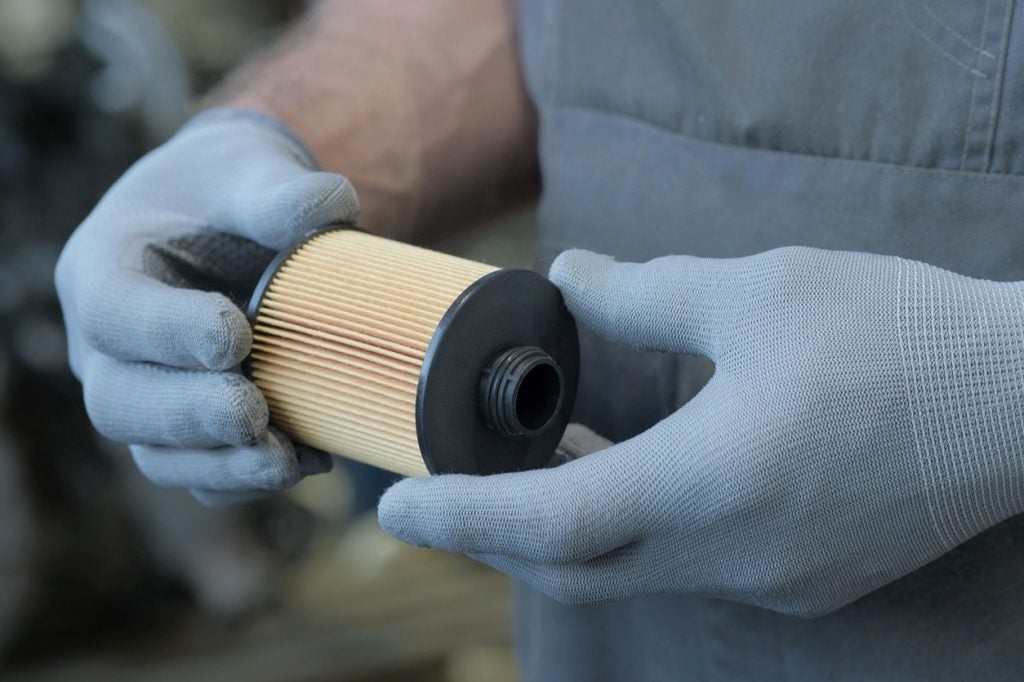
Your vehicle depends on clean air to keep the engine running efficiently. The engine air filter keeps dirt, dust, pollen, and other debris from entering the engine, helping it perform at its best. Over time, however, the filter becomes clogged and loses its ability to protect the engine. Knowing when to schedule an engine air filter replacement can improve performance, maintain fuel efficiency, and support long-term vehicle maintenance. Here's what every driver should know. What Does an Engine Air Filter Do? The engine air filter sits between the outside air and your engine. As air enters the engine, the filter traps contaminants before they can cause damage to internal components. A clean air filter helps your vehicle: Maintain proper airflow to the engine Improve engine performance Support fuel efficiency Reduce engine wear Protect internal engine components As the filter collects more debris, airflow becomes restricted, forcing the engine to work harder. Signs You Need an Engine Air Filter Replacement A dirty air filter often develops gradually, making it easy to overlook the warning signs. Fortunately, your vehicle may give you several clues that it's time for an engine air filter replacement. Common signs include: Reduced fuel economy Slower acceleration Rough engine idle Decreased engine performance Unusual engine sounds A dirty or clogged filter during inspection Check engine light in some vehicles If you notice one or more of these symptoms, it may be time to have your air filter inspected. How Often Should You Replace Your Engine Air Filter? There is no single replacement schedule that fits every vehicle. Most manufacturers recommend inspecting the engine air filter during routine service and replacing it approximately every 15,000 to 30,000 miles. However, replacement intervals depend on several factors, including: Your vehicle manufacturer's recommendations Driving on dusty or gravel roads Frequent stop-and-go driving Local weather and environmental conditions Drivers who regularly travel in dusty conditions may need more frequent engine air filter replacement than those who drive primarily on paved highways. Checking your owner's manual or asking your service technician is the best way to determine the right schedule for your vehicle. Don't Forget About the Cabin Air Filter While many drivers know about engine air filters, the cabin air filter is just as important for comfort inside your vehicle. The cabin air filter cleans the air entering your heating and air conditioning system. It helps remove dust, pollen, dirt, and other airborne particles before they reach the passenger compartment. A dirty cabin air filter can cause: Reduced airflow from your vents Musty odors inside the cabin Increased dust inside the vehicle Reduced heating and cooling performance Many vehicles require cabin air filter replacement every 15,000 to 30,000 miles, although driving conditions may affect replacement intervals. Regular Vehicle Maintenance Makes a Difference Replacing air filters is only one part of proper vehicle maintenance. Keeping up with routine service helps your vehicle perform more efficiently and may help prevent larger repairs later. Regular maintenance also includes: Oil changes Tire rotations Brake inspections Fluid checks Battery testing Following your maintenance schedule helps extend the life of your vehicle while improving reliability and performance. Visit Bull Valley Ford for Air Filter Service Replacing your engine air filter and cabin air filter is a simple service that can help improve your vehicle's performance and comfort. Whether your vehicle needs a routine inspection or you're noticing signs of reduced airflow, our service team is here to help. At Bull Valley Ford, we make vehicle maintenance simple with experienced technicians and quality service you can trust. Schedule your next service appointment online or visit Bull Valley Ford in Woodstock, IL. You can also call (815) 338-6680 today to keep your vehicle running at its best.