

Your vehicle depends on clean air to keep the engine running efficiently. The engine air filter keeps dirt, dust, pollen, and other debris from entering the engine, helping it perform at its best. Over time, however, the filter becomes clogged and loses its ability to protect the engine.
Knowing when to schedule an engine air filter replacement can improve performance, maintain fuel efficiency, and support long-term vehicle maintenance. Here’s what every driver should know.
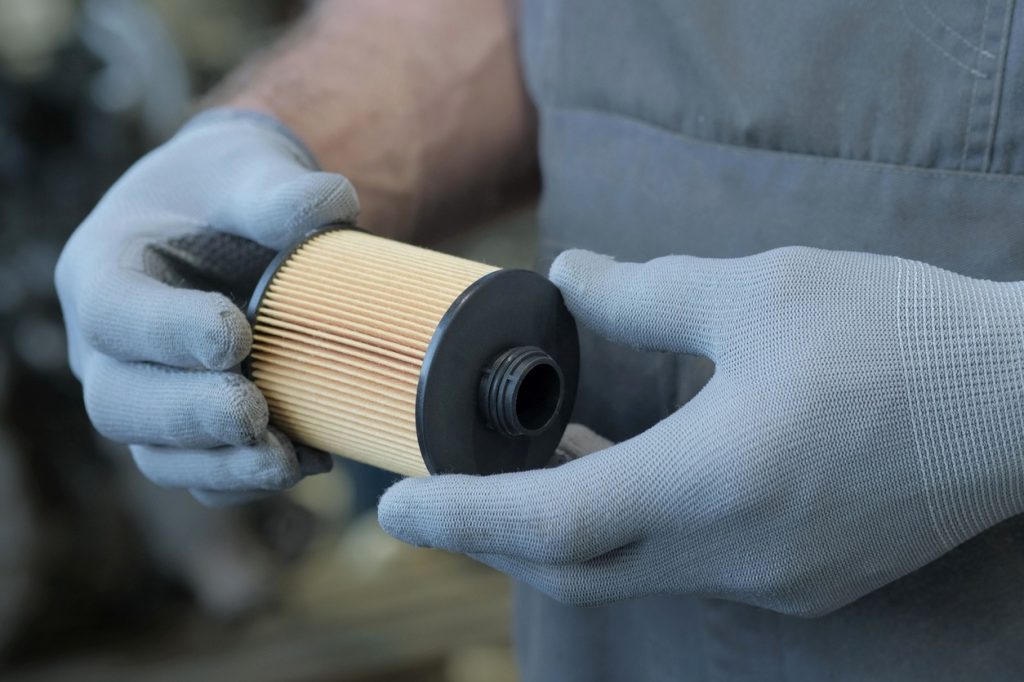
What Does an Engine Air Filter Do?
The engine air filter sits between the outside air and your engine. As air enters the engine, the filter traps contaminants before they can cause damage to internal components.
A clean air filter helps your vehicle:
- Maintain proper airflow to the engine
- Improve engine performance
- Support fuel efficiency
- Reduce engine wear
- Protect internal engine components
As the filter collects more debris, airflow becomes restricted, forcing the engine to work harder.
Signs You Need an Engine Air Filter Replacement
A dirty air filter often develops gradually, making it easy to overlook the warning signs. Fortunately, your vehicle may give you several clues that it’s time for an engine air filter replacement.
Common signs include:
- Reduced fuel economy
- Slower acceleration
- Rough engine idle
- Decreased engine performance
- Unusual engine sounds
- A dirty or clogged filter during inspection
- Check engine light in some vehicles
If you notice one or more of these symptoms, it may be time to have your air filter inspected.
How Often Should You Replace Your Engine Air Filter?
There is no single replacement schedule that fits every vehicle. Most manufacturers recommend inspecting the engine air filter during routine service and replacing it approximately every 15,000 to 30,000 miles.
However, replacement intervals depend on several factors, including:
- Your vehicle manufacturer’s recommendations
- Driving on dusty or gravel roads
- Frequent stop-and-go driving
- Local weather and environmental conditions
Drivers who regularly travel in dusty conditions may need more frequent engine air filter replacement than those who drive primarily on paved highways.
Checking your owner’s manual or asking your service technician is the best way to determine the right schedule for your vehicle.
Don’t Forget About the Cabin Air Filter
While many drivers know about engine air filters, the cabin air filter is just as important for comfort inside your vehicle.
The cabin air filter cleans the air entering your heating and air conditioning system. It helps remove dust, pollen, dirt, and other airborne particles before they reach the passenger compartment.
A dirty cabin air filter can cause:
- Reduced airflow from your vents
- Musty odors inside the cabin
- Increased dust inside the vehicle
- Reduced heating and cooling performance
Many vehicles require cabin air filter replacement every 15,000 to 30,000 miles, although driving conditions may affect replacement intervals.
Regular Vehicle Maintenance Makes a Difference
Replacing air filters is only one part of proper vehicle maintenance. Keeping up with routine service helps your vehicle perform more efficiently and may help prevent larger repairs later.
Regular maintenance also includes:
- Oil changes
- Tire rotations
- Brake inspections
- Fluid checks
- Battery testing
Following your maintenance schedule helps extend the life of your vehicle while improving reliability and performance.
Visit Bull Valley Ford for Air Filter Service
Replacing your engine air filter and cabin air filter is a simple service that can help improve your vehicle’s performance and comfort. Whether your vehicle needs a routine inspection or you’re noticing signs of reduced airflow, our service team is here to help.
At Bull Valley Ford, we make vehicle maintenance simple with experienced technicians and quality service you can trust.
Schedule your next service appointment online or visit Bull Valley Ford in Woodstock, IL. You can also call (815) 338-6680 today to keep your vehicle running at its best.
Connect with us


